
Understanding Liquid Screeding
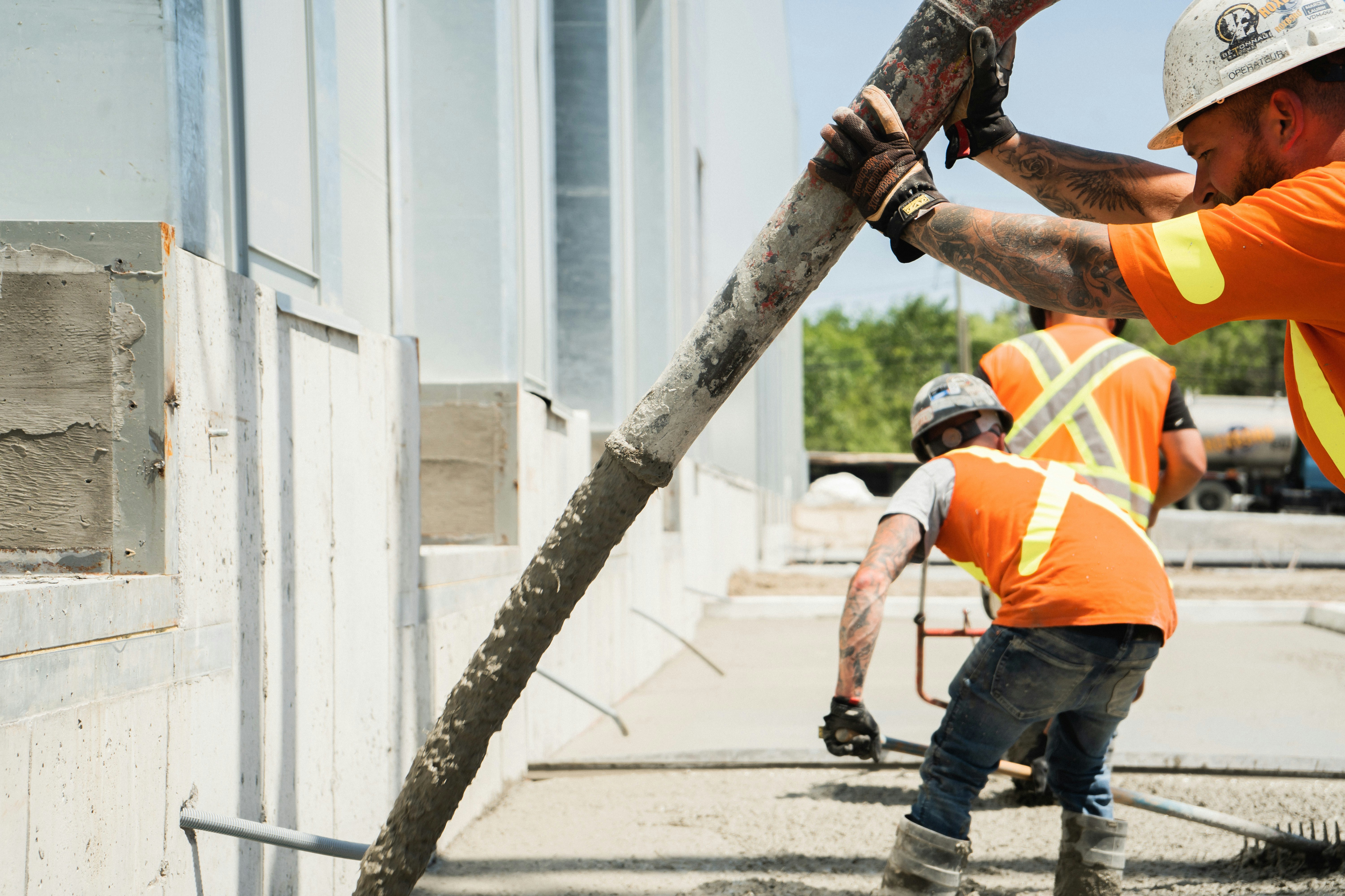
Liquid screeding, often referred to as self-levelling screed, is a modern flooring solution widely used in various residential building projects across Dorset. It is a mixture of cement, sand, and other additives that, when combined with water, forms a smooth and fluid compound that can be easily applied over a subfloor. This process stands in stark contrast to traditional screeding, which typically involves a thicker, harsher mixture that requires more manual labour and expertise to achieve a level surface.
The properties of liquid screeding make it an attractive choice for homeowners looking to enhance the comfort and aesthetic appeal of their living spaces. One of its defining characteristics is the ability to flow and settle into place, eliminating the need for extensive troweling. This fluid behaviour translates to an even, consistent surface that can be walked on quickly after application. Additionally, it creates fewer joints and seams, which can often become weak points in traditional floors.
Liquid screeds can be used in conjunction with underfloor heating systems, further cementing its popularity in the renovation and new build markets. The efficient thermal conductivity of liquid screed ensures that heat is evenly distributed, enhancing the overall energy efficiency of the home. As a result, these compounds are ideal for installations requiring comfort and performance.
However, the application of liquid screed requires precision and proper knowledge of the materials involved, which is where professional services come into play. DIY attempts can lead to suboptimal results, necessitating thorough preparation, careful mixing, and timely laying, factors that professionals are well-equipped to handle. By opting for a professional liquid screeding service, homeowners can ensure a high-quality finish that adheres to building regulations and meets their specific requirements.
The Advantages of Professional Liquid Screeding Services
When considering liquid screeding for your home in Dorset, it is essential to weigh the advantages of employing a professional service against the allure of a DIY approach. The expertise and experience that professional liquid screeding services offer can significantly impact the overall quality of the installation. Trained technicians understand the nuances of different materials and conditions, enabling them to select the appropriate mix and application techniques suitable for your specific project.
Precision and quality are paramount in achieving a successful screeding outcome. Professionals are equipped with techniques that ensure an even and level finish, which is crucial for the durability and aesthetic value of your flooring. Their well-honed skills allow for effective monitoring of curing times and environmental conditions, minimising the risk of problems such as cracks or uneven surfaces often seen in DIY applications.
Access to advanced equipment is another critical advantage. Professionals utilise specialised machinery and tools designed to handle liquid screed efficiently, ensuring a smooth and quick application process. This machinery can manage larger areas seamlessly, reducing labor time and enhancing overall efficiency. Using the right equipment also contributes to improved results, as the consistency and even distribution of the screed can be more effectively controlled.
Furthermore, professionals adhere to strict safety regulations, which is vital in construction environments. They are trained to manage potential hazards that may arise during the screeding process, safeguarding not just the quality of the work but also the well-being of all individuals on-site. In contrast, DIY attempts may overlook these critical safety standards, leading to risks that could result in injuries or property damage.
Ultimately, hiring a professional liquid screeding service ensures a flawless finish and long-lasting results that DIY methods are often unable to match. With their advanced expertise, equipment, and adherence to safety, professionals provide a level of assurance that can hardly be replicated through self-installation efforts.
Risks and Challenges of DIY Liquid Screeding
While taking on a DIY liquid screeding project can seem appealing due to the potential cost savings, there are considerable risks and challenges that homeowners in Dorset should be aware of. A lack of experience is often one of the primary factors that can lead to uneven surfaces. Achieving a perfectly level screed requires a high degree of skill and knowledge regarding the properties of the materials used. Without this expertise, it is easy to misjudge the required depth or fall short in ensuring an even finish.
Moreover, improper mixing or application can pose significant problems, such as cracking or excessive shrinkage. Liquid screeds have specific mixing instructions that must be adhered to for optimal results. Any deviation from these parameters can compromise the integrity of the screed. Additionally, if the mixture is not poured effectively, it can lead to air pockets or an inconsistent texture, further necessitating costly repairs.
One must also consider time management challenges when engaging in a DIY liquid screeding project. The task can be far more time-consuming than initially anticipated, particularly for individuals who are unfamiliar with the process. While professional liquid screeding services often complete the job efficiently, DIY enthusiasts may find themselves struggling with logistics, resulting in delays and added stress.
Finally, it is crucial to recognise that the costs associated with correcting mistakes made during a DIY project can quickly escalate. Repairs or reapplications done incorrectly can lead to extensive and unforeseen expenses that surpass the original budget. Therefore, enlisting the help of a professional liquid screeding service could ultimately be a more economical decision, saving both time and money in the long run.
Cost Considerations
When contemplating a liquid screeding project for your Dorset home, one of the most significant factors to consider is the cost. Engaging a professional liquid screeding service typically involves upfront expenses that can seem daunting at first. However, these costs should be weighed against the potential financial implications of a DIY approach.
The typical expense for professional services can range significantly based on factors such as the size of the area to be screeded, material choices, and site accessibility. On average, homeowners can expect to pay between £15 to £25 per square meter for a complete professional liquid screeding service. This price generally covers material, labor, and necessary equipment, ensuring a high-quality finish that meets industry standards.
Conversely, while DIY can appear to be a more budget-friendly option initially, associated costs can quickly escalate. While purchasing the materials may be less expensive upfront, using substandard materials or tools can lead to issues requiring repairs or reapplication. Additionally, without the proper experience, the time investment needed can increase, leading to potential labour costs if help is needed later on.
Moreover, there are long-term financial considerations to keep in mind. A professionally installed liquid screed enhances the durability and aesthetic appeal of your flooring, potentially raising the property’s market value. Poorly executed screed installations can result in costly repairs, reduced property value, and an increased risk of flooring-related issues in the future.
In conclusion, while the initial cost of hiring a professional service for liquid screeding in Dorset may exceed that of DIY endeavours, the long-term savings, reduced risk of costly repairs, and increased property value fundamentally justify the investment. A professional approach not only guarantees superior results but also provides peace of mind in the longevity and quality of your flooring solution.