
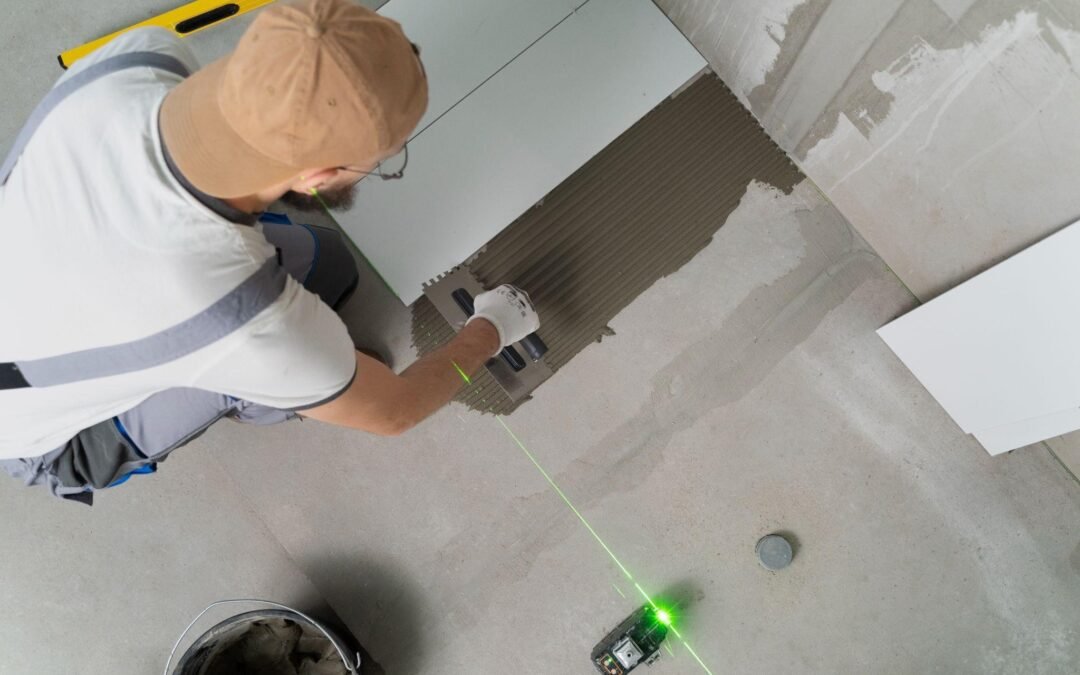
Working with screed flooring contractors is one of the most reliable ways to ensure that screed is mixed, delivered, and installed correctly. Pumping methods are now widely used for both liquid screed and flowing screed, especially when a project requires consistency, accuracy, and efficient handling. Because screed forms the base for your finished floor, understanding when pumping is the right choice can help achieve smoother results.
Across many parts of Dorset, liquid screed and pumped installation methods are used to create level surfaces that support a variety of floor finishes. A weymouth liquid screed specialist often works with modern pumping equipment that supports controlled application and even coverage. This helps achieve a high-standard finish while reducing onsite waste and minimising disruption.
This guide explains how screed pumping works, when it should be used, and how contractors manage the process to support efficient installation.
What Screed Pumping Is
Screed pumping is the process of transporting liquid screed or flowing screed through specialist pumping equipment directly onto the prepared floor area. Instead of manually moving heavy material across the space, the screed is pumped from a mixing unit to the exact point of installation.
This method is most commonly used with liquid screed, a material designed to flow and settle naturally. Because of its consistency and smooth movement, liquid screed is well-suited to pumped delivery.
The pumping approach helps ensure:
- Steady flow
- Controlled distribution
- Reduced handling time
- Minimal disturbance to the site
It is particularly useful on medium and large projects where accuracy and efficiency are important.
Why Screed Flooring Contractors Use Pumping Methods
Contractors choose pumping because the equipment enables them to manage the application precisely. Pumping systems are built to move screed quickly and cleanly, which helps maintain the quality of the mixture from the point of mixing to the point of installation.
Experienced teams understand:
- Correct flow rates
- Depth monitoring
- Surface behaviour during installation
- How different areas respond to liquid materials
Because of this, pumping is a practical and effective option for many builds across Dorset and surrounding regions.

When Screed Pumping Is the Most Efficient Option
Screed pumping is suitable for a variety of situations. While traditional methods still exist, pumped screed tends to support a cleaner and more predictable installation process.
Residential Projects
In homes and extensions, pumping is often used when:
- The site has restricted access
- The flooring area is large
- The base needs a smooth and level finish
- There is a need to minimise manual work
Liquid screed can flow into small gaps and settle evenly, which makes it useful for spaces that require accuracy.
Commercial Projects
In commercial settings, time and consistency matter. Pumping is often chosen because it can cover large areas without slowing down the workflow. It supports projects where:
- Foot traffic will be high
- Timelines are structured
- The floor needs full coverage
- Even distribution is important for the final finish
Open-Plan Builds
Larger spaces benefit from pumping because the material flows evenly across the entire area. This helps avoid differences in thickness or level changes.
Projects With Deadlines
When there are time-sensitive requirements, pumping helps contractors keep the installation moving efficiently. This is because the application process is streamlined and materials settle more consistently.
Understanding Liquid Screed and Flowing Application
Liquid screed is designed to spread evenly across the surface. It is different from traditional sand and cement mixtures because it naturally levels itself.
A weymouth liquid screed specialist will usually pump the mixture and allow it to settle on its own. This reduces the need for extensive manual handling and helps ensure a smooth finish.
Flowing screed behaves in much the same way. It moves freely and fills areas that may be harder to reach with manual tools.
These types of screed are chosen for:
- Their accuracy
- Their clean finish
- Their compatibility with a variety of floor coverings
When to Choose a Weymouth Liquid Screed Specialist
Choosing a local specialist matters when the project must be carried out by someone familiar with both the material and the local environment. Screed responds to conditions such as temperature, moisture levels, and surface preparation, so understanding these factors is important.
A specialist in Weymouth will typically:
- Assess the site conditions
- Identify areas needing adjustment
- Recommend the right approach
- Manage the pumping process carefully
- Ensure the screed is installed with controlled depth
Because screed is the foundation for your finished floor, using a team with regional knowledge helps ensure that the installation is completed to a consistent standard.
To learn more about what is available, you can explore the Weymouth liquid screed specialist for local options.
Benefits of Screed Pumping
Screed pumping offers several practical advantages. These benefits are particularly useful on projects where accuracy is essential.
Here are some key benefits:
- Consistent flow
- Smoother finish
- Less manual handling
- Reduced risk of uneven areas
- Efficient installation for medium and large floors
- Improved coverage of difficult or awkward spaces
- Controlled pumping speed
- Cleaner application with less disruption
- Less onsite material waste
- Supports a level surface for flooring installation
These advantages have led many contractors to rely on pumping for a range of installations.
Table: Pumped Screed vs Traditional Application
| Feature | Pumped Screed | Traditional Screed Application |
| Delivery Method | Pumped mechanically | Hand-applied |
| Consistency | Very smooth and even | Varies depending on labour |
| Coverage Speed | Faster | Slower |
| Accuracy | High | Moderate |
| Ideal for Large Areas | Yes | Less suitable |
| Material Type | Often liquid screed | Sand/cement mixtures |
Key Considerations Before Pumping Screed
Before screed can be pumped, several factors need to be considered. These steps help ensure the material flows correctly and settles the way it should.
Important considerations include:
- The surface must be clean and stable
- Any insulation must be properly fitted
- Movement joints must be confirmed
- The screed depth must be planned in advance
- Access routes for pumping equipment must be clear
- The site must be ready to receive liquid material
If the preparation is incomplete, the finish may not meet expectations.
How Screed Flooring Contractors Ensure a Controlled Installation
Contractors manage the pumping process carefully to maintain consistency. Key steps include:
Monitoring Material Consistency
Liquid screed must maintain its intended flow. Contractors check this at each stage.
Ensuring Correct Flow Rate
The flow rate is adjusted depending on the area being covered.
Maintaining the Planned Depth
Depth markers or levels are used throughout the installation.
Managing the Final Surface Texture
Once the screed has settled, contractors ensure the surface remains undisturbed so it cures correctly.
These steps help ensure the floor is ready for the next stage of the project.
The Role of Site Preparation
Preparation plays a major role in the success of a screed installation. Contractors focus on ensuring:
- The base layer is clean
- The surface is free from movement
- Edges are supported
- Components beneath the screed remain secure
- Moisture levels are appropriate
Correct preparation allows the screed to settle evenly and form a reliable base.
Choosing the Right Screed Type for Your Project
Different projects require different types of screed. When selecting the right material, factors such as the area size, usage, and planned flooring finish are considered.
Most modern projects in residential and commercial sectors use flowing or liquid screed when the goal is to achieve:
- Quick application
- Smooth finish
- Predictable behaviour during installation
A local team can help determine the most suitable option.
Working with a Local Team
A local team understands the expectations of homeowners and businesses in the area. They also understand the typical site conditions and common project requirements found across Dorset.
For more information or to explore screed-related services available in the region, you can visit SW Liquid Screed & Spray Rendering Ltd for general guidance.
Conclusion
Screed pumping is a practical and efficient method for delivering liquid screed across a variety of residential and commercial projects. It allows for controlled flow, even distribution, and a smoother finish. When managed by experienced screed flooring contractors, the process supports consistent results and helps ensure the surface is ready for flooring installation.
If you would like to discuss a project or request further information, you can Visit Us.
FAQs
What is screed pumping?
Screed pumping is a method of delivering liquid or flowing screed directly to the installation area using specialist equipment.
When is pumped screed most suitable?
It is most suitable for medium and large areas, open-plan layouts, and projects where accuracy is important.
Does pumped screed create a smoother finish?
Yes, liquid screed typically settles smoothly, creating a level surface suitable for many types of flooring.
Is pumping faster than traditional application?
Pumping is often quicker because the material is delivered directly to the required area.
Can pumped screed be used in residential and commercial settings?
Yes, it is suitable for both and is commonly used in extensions, renovations, and commercial builds.