
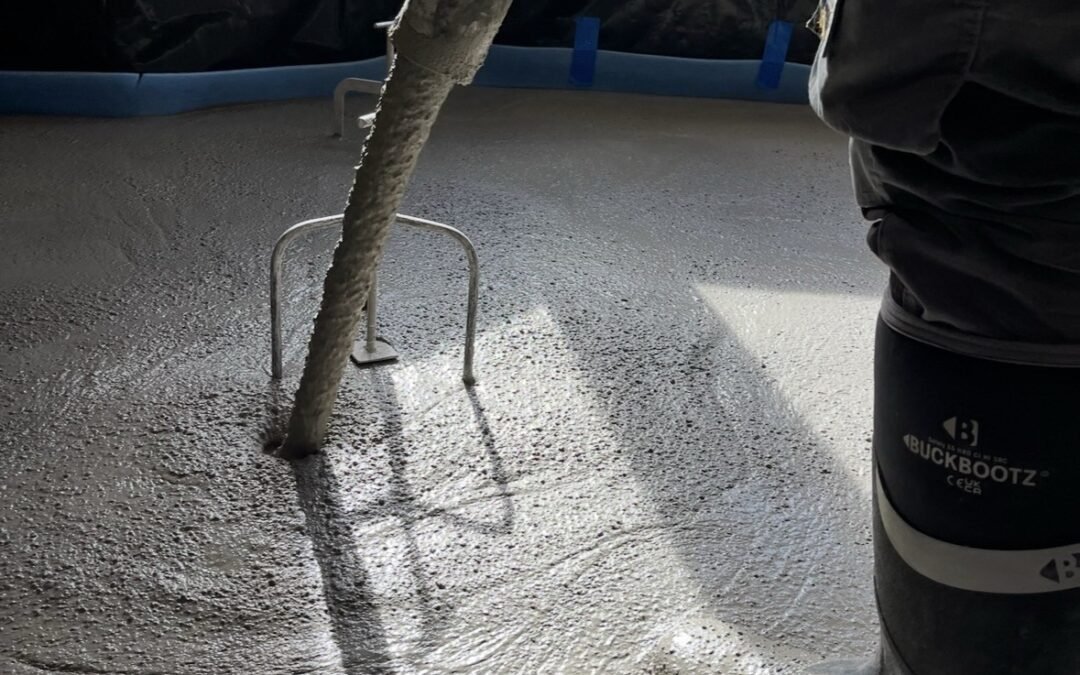
Liquid floor screed is widely used across Dorset for residential and commercial construction projects that require accurate levelling and a consistent surface finish. As building methods continue to evolve, liquid screed has become a practical solution for developments where efficiency, floor performance, and compatibility with modern systems are important.
This guide explains how liquid screed is used in Dorset, what types of projects benefit from it, and what to expect during installation, based strictly on established industry practices and the services provided by SW Liquid Screed & Spray Rendering Ltd.
For those involved in liquid screeding in Weymouth, local considerations such as property type, site access, and environmental conditions also influence how screed is selected and installed. Understanding these factors early in the planning stage helps ensure that screeding solutions align with structural requirements and long-term use rather than short-term convenience.
Understanding Liquid Floor Screed
Liquid floor screed is a free-flowing, self-levelling material applied over a prepared subfloor. It differs from traditional sand and cement screed in both application and finish.
Because it is pumped rather than hand-laid, liquid screed spreads evenly across the floor area, helping to achieve consistent thickness and surface accuracy. This makes it suitable for projects that require precise floor levels before final coverings are installed.
Why Liquid Screed Is Used in Dorset Construction
Dorset construction projects often include a mix of new builds, extensions, and refurbishment work. Liquid screed is selected because it supports these project types without adding unnecessary complexity.
Key reasons liquid screed is specified include:
- Consistent coverage across large or irregular floor areas
- Reduced manual handling during installation
- Smooth finishes suitable for a wide range of floor coverings
- Compatibility with modern heating and insulation systems
These characteristics make liquid screed a practical flooring solution rather than a one-size-fits-all option.
Liquid Screeding in Weymouth and Local Applications
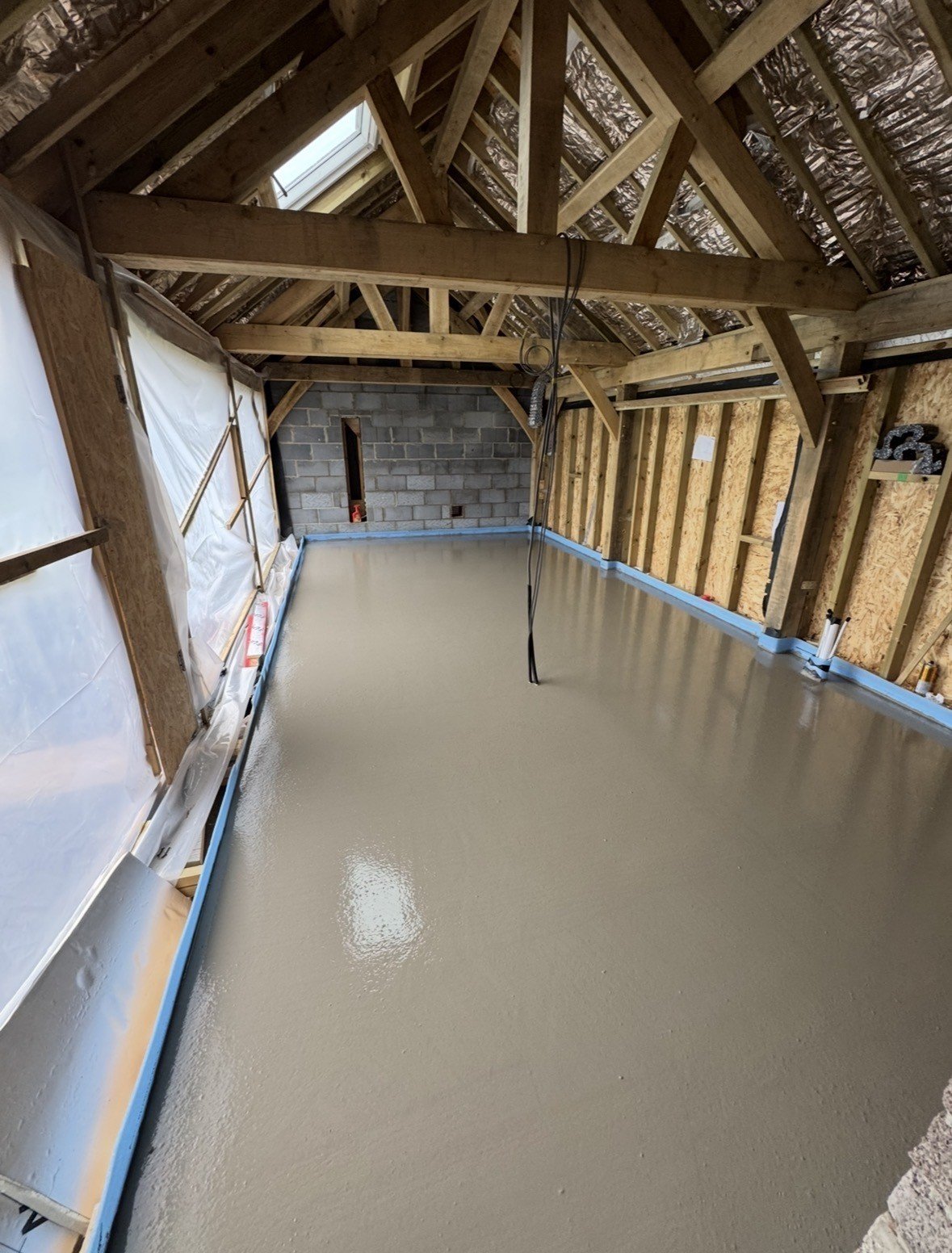
Liquid screeding in Weymouth is commonly used in both residential and commercial properties, particularly where accurate levelling and time efficiency are required. Coastal developments and renovation projects in Weymouth often benefit from screeding methods that adapt well to varying subfloor conditions.
SW Liquid Screed & Spray Rendering Ltd provides liquid screeding in Weymouth for projects that require controlled installation and reliable surface preparation.
Embedded service reference:
Residential Uses of Liquid Floor Screed
In residential construction, liquid screed is used in:
- New-build homes
- Property extensions
- Renovation and refurbishment projects
- Multi-room flooring installations
Homeowners often select liquid screed because it creates a level base for tiles, engineered wood, vinyl, and other floor finishes. Its flow properties also support even coverage throughout the property.
Commercial and Industrial Applications
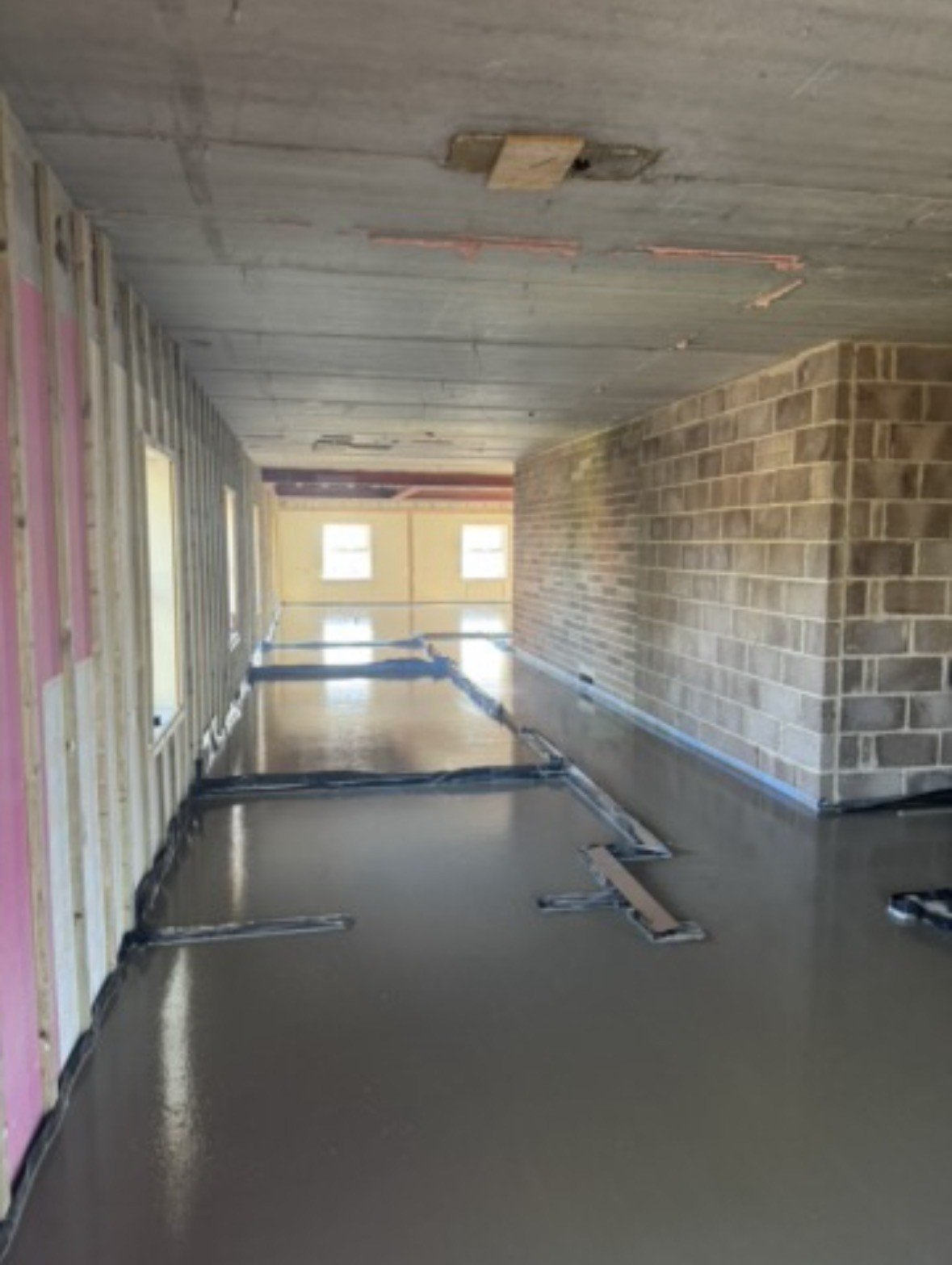
Commercial projects require flooring systems that perform consistently across large areas. Liquid screed supports this requirement through controlled depth and uniform application.
Typical commercial uses include:
- Office developments
- Retail units
- Educational facilities
- Light industrial buildings
Liquid screed allows contractors to maintain surface consistency while adhering to project timelines.
Underfloor Heating Compatibility
One of the most common applications of liquid screed is its use with underfloor heating systems. The material flows around heating pipes, reducing air pockets and supporting even heat distribution across the floor.
This makes liquid floor screed suitable for modern energy-efficient buildings where underfloor heating is part of the design.
Installation Process and Site Preparation
Liquid screed installation follows a structured process that ensures performance and durability.
Subfloor Preparation
The base must be clean, stable, and sealed where required.
Screed Application
Liquid screed is pumped into place and allowed to self-level across the surface.
Curing and Protection
The screed is left to cure according to manufacturer guidance, with controlled site conditions.
Each stage plays a role in achieving the desired floor finish.
Drying Times and Aftercare Considerations
Drying times vary depending on:
- Screed type
- Applied thickness
- Ventilation and temperature
Although liquid screed often allows earlier access compared to traditional screed, final flooring should only be installed once moisture levels are suitable. Proper ventilation during drying supports consistent results.
Liquid Screed vs Traditional Screed
Weymouth properties often present specific challenges, such as mixed subfloor conditions, extensions added to older buildings, or coastal environmental factors that can influence drying and ventilation. Liquid screed is well suited to these conditions because it flows evenly across prepared surfaces, helping to reduce inconsistencies and improve overall floor flatness.
| Feature | Liquid Floor Screed | Traditional Screed |
| Application | Pumped and self-levelling | Hand-laid |
| Finish | Smooth and even | Requires manual levelling |
| Installation time | Efficient on large areas | Slower for large spaces |
| Underfloor heating | Highly compatible | Compatible with care |
This comparison highlights practical differences without overstating performance.
Professional Standards and Local Expertise
SW Liquid Screed & Spray Rendering Ltd provides screeding services across Dorset, working in line with manufacturer specifications and standard construction practices. Their approach focuses on correct installation and project-specific requirements rather than outcome guarantees. SW Liquid Screed & Spray Rendering Ltd.
SW Liquid Screed & Spray Rendering Ltd applies a structured approach to screeding that focuses on correct installation, controlled application, and appropriate curing periods. This approach prioritises process and accuracy rather than speed or unrealistic outcomes. Each project is assessed individually to determine suitable screed depth, drying considerations, and site-specific requirements.To confirm local service coverage and business details, refer to the Google Business Profile.
Local presence also contributes to accountability and ongoing support. Being based within the region allows for better site access, timely coordination, and familiarity with Dorset’s construction environment. This practical understanding helps ensure that liquid screed installations align with both technical standards and local project conditions.
Conclusion
Choosing the right liquid floor screed for Dorset projects depends on the type of build, floor requirements, and installation conditions. From residential developments to commercial spaces, liquid screed provides a reliable base when installed correctly and allowed to cure properly.
For residential builds, liquid screed provides a stable and level base that supports modern flooring requirements. In commercial and mixed-use developments, it allows for accurate depth control and uniform coverage across larger areas. When used for liquid screeding in Weymouth, it is especially important to consider environmental factors such as ventilation and drying conditions to ensure the screed performs as intended.
For projects requiring liquid screeding in Weymouth or across Dorset, working with an experienced local provider supports informed planning and accurate execution. If you would like to discuss your project requirements, contact us today.
Frequently Asked Questions
What is liquid floor screed used for?
It is used to create a smooth, level surface over a structural floor before final coverings are installed.
Is liquid screed suitable for residential properties?
Yes, it is commonly used in homes, extensions, and renovations.
How long does liquid screed take to dry?
Drying time depends on thickness, ventilation, and site conditions.
Can liquid screed be used with underfloor heating?
Yes, it is widely used with underfloor heating due to its flow characteristics.
Is liquid screeding in Weymouth affected by weather conditions?
Environmental factors such as humidity can influence drying, making ventilation important.