
Introduction to Liquid Screeding in Weymouth
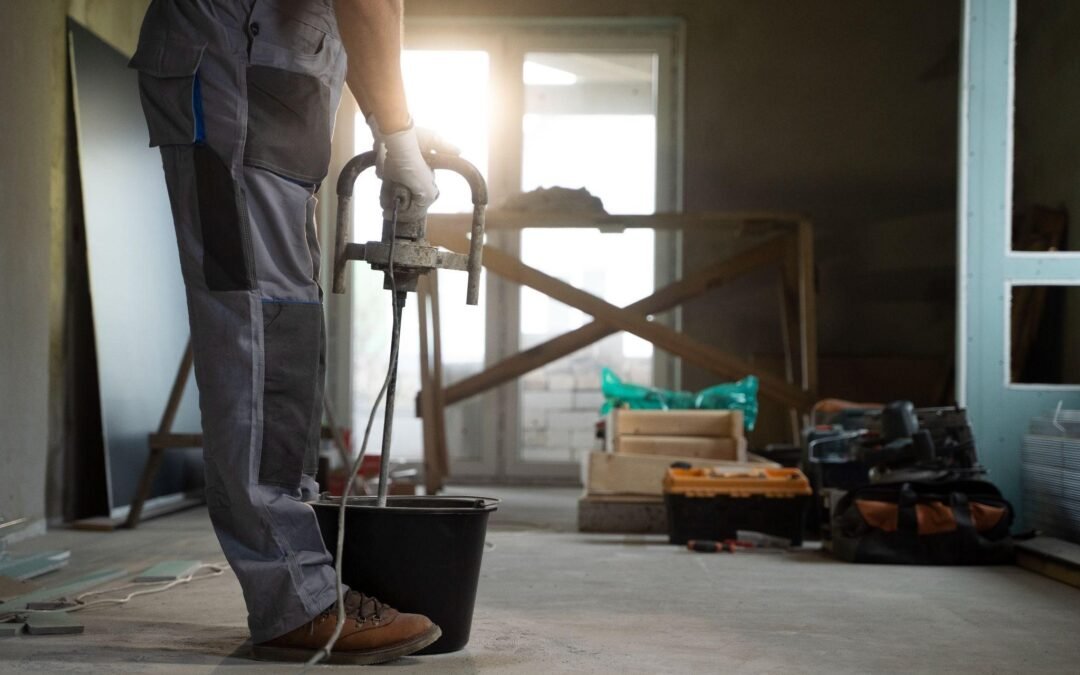
Liquid screeding in Weymouth has become a widely used flooring preparation method for both residential and commercial construction projects. The process involves applying a self-levelling screed mixture across a prepared subfloor to create a smooth and level base for final floor finishes.
A well installed screed layer plays an important role in the durability and performance of the finished flooring. However, several factors influence the success of the installation. Thickness, curing time and drying conditions all affect how the screed performs once the floor covering is installed.
Understanding these aspects helps property owners, builders and contractors plan flooring work effectively while avoiding delays during construction.
What Is Liquid Floor Screed?
A liquid floor screed is a flowing screed mixture that spreads evenly across a surface before hardening to form a level base. Unlike traditional sand and cement screed, the liquid format allows the material to fill small gaps and create a consistent surface.
This type of screed is commonly used in modern construction because it can be installed quickly and produces a smooth surface suitable for a wide range of floor coverings.
Many projects use liquid screed when installing large floor areas, underfloor heating systems or renovation projects where a level base is required.
You can learn more about the process of liquid screeding in Weymouth and how it is used in local construction projects.
Benefits of Liquid Screed for Modern Floors
Liquid screed offers several practical advantages during construction and refurbishment projects.
Firstly, its flowing consistency allows it to spread evenly across the floor without requiring extensive manual levelling. As a result, it can help create a uniform base across large areas.
Secondly, the material works well with underfloor heating systems. The screed flows around pipes and heating elements, helping distribute heat evenly throughout the floor surface.
In addition, liquid screed installations can reduce the number of joints required in larger spaces. This can contribute to a more consistent and stable flooring base once the material has cured.
More information about liquid screed solutions can be found on the liquid floor screed service page.
Typical Thickness for Liquid Floor Screed
The thickness of a liquid screed layer depends on several factors including the type of installation, the floor structure and whether underfloor heating is present.
Different flooring systems require different screed depths to ensure proper performance and structural stability.
Thickness for Bonded Screed
Bonded screed is applied directly to a prepared concrete substrate. Because the screed bonds with the base layer, it can be installed at a thinner depth.
Typical bonded screed thickness:
- Approximately 25–40 mm
This thinner layer helps reduce drying time while still creating a smooth surface for floor finishes.
Thickness for Unbonded Screed
Unbonded screed is separated from the concrete base by a membrane. This prevents moisture from transferring between the two layers.
Typical unbonded screed thickness:
- Around 50–70 mm
This additional depth provides strength and helps prevent cracking when the screed is not directly bonded to the substrate.
Thickness for Floating Screed and Underfloor Heating
Floating screed systems are commonly used with insulation boards and underfloor heating systems.
Typical floating screed thickness:
- Around 65–75 mm total depth
• Minimum 30–40 mm above heating pipes
This depth ensures the heating system is properly covered while allowing heat to distribute evenly across the floor.
Understanding the Curing Process
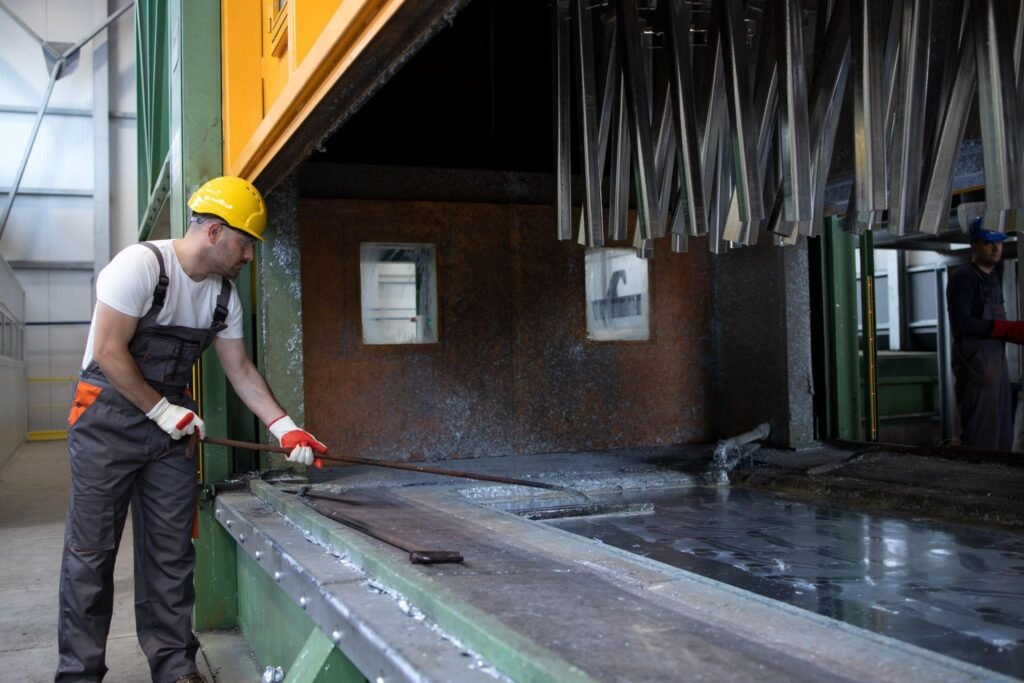
Curing is an important stage in the installation of liquid screed. During curing, the screed gradually gains strength as the material hardens.
The curing process typically occurs in several stages.
Initial Setting Stage
Shortly after installation, the screed begins to set. During this period the material transitions from a liquid state to a solid surface.
At this stage it is important to avoid heavy traffic on the surface to prevent damage or surface marks.
Early Strength Development
After the initial set, the screed continues to gain strength over the next several days. Light foot traffic may be possible depending on the screed type and site conditions.
However, the screed should still be protected from heavy loads until it reaches adequate strength.
Full Structural Curing
The final stage of curing occurs over several weeks. During this time the screed achieves its full structural performance.
Only after sufficient curing and drying should floor finishes such as tiles, wood or vinyl be installed.
Drying Times for Liquid Screed
Drying time refers to how long the screed takes to release moisture before the final flooring layer can be installed.
Typical drying times can vary depending on thickness and site conditions.
As a general guideline:
- Around 1 mm of drying per day for the first 40 mm
• Additional drying time for thicker screeds
For example, a 50 mm screed layer may require approximately 50 days to fully dry under standard conditions.
However, this estimate can vary depending on temperature, humidity and ventilation.
Standard Drying Conditions
Drying rates are usually calculated based on standard site conditions:
- Temperature around 20°C
• Moderate humidity
• Adequate ventilation
These conditions help moisture evaporate at a consistent rate.
Factors That Affect Drying Time
Several environmental factors influence how quickly screed dries.
Key factors include:
- Room temperature
• Air circulation
• Screed thickness
• Moisture levels in the building
• Type of screed material used
Monitoring these conditions helps ensure the screed dries evenly before flooring installation.
Best Practices to Support Proper Drying
Managing the drying environment helps prevent delays and protects the screed surface.
Ventilation
Good airflow allows moisture to escape gradually. Opening windows or using ventilation systems can help maintain consistent drying conditions.
Temperature Control
Extremely low temperatures can slow the curing process. Maintaining stable indoor temperatures helps ensure the screed dries at the expected rate.
Moisture Testing
Before installing final floor coverings, contractors often test the moisture content of the screed. This confirms that the surface is ready for the next stage of construction.
Where Liquid Screeding Is Commonly Used
Liquid screed installations are commonly used in several types of projects.
Typical applications include:
- Residential housing developments
• Commercial buildings
• Renovation and refurbishment projects
• Properties installing underfloor heating
• Large open-plan floor spaces
These environments benefit from the smooth and level surface created by liquid screed.
Choosing Professional Liquid Screeding in Weymouth
Professional installation is an important factor when working with liquid screed systems. Proper surface preparation, correct thickness and controlled drying conditions all influence the final result.
Experienced contractors assess the specific requirements of each project before recommending the appropriate screed depth and installation method.
More details about services offered by SW Liquid Screed & Spray Rendering Ltd can provide further insight into liquid screed applications and flooring preparation methods.
Conclusion
Liquid screed has become an important flooring preparation method in modern construction due to its ability to create smooth, level surfaces across large floor areas.
Understanding screed thickness, curing stages and drying times is essential when planning flooring projects. These factors influence the durability of the floor and determine when final floor coverings can be installed. For more details about the local service area, visit the Google listing for screeding in Weymouth.
Whether the project involves underfloor heating, new construction or renovation work, proper installation and controlled drying conditions help ensure the screed performs as expected.
If you would like further information about installation options or project requirements, you can contact us today through the official enquiry page.
FAQs
What is liquid screed used for?
Liquid screed is used to create a smooth and level base for floor coverings such as tiles, vinyl, laminate or engineered wood.
How thick should liquid floor screed be?
The required thickness depends on the installation type. Bonded screed is usually thinner, while floating screed used with insulation or heating systems requires greater depth.
How long does liquid screed take to dry?
Drying time varies depending on screed thickness and environmental conditions. As a general guide, screed can dry at roughly 1 mm per day under normal conditions.
Can liquid screed be used with underfloor heating?
Yes, liquid screed is commonly used with underfloor heating systems because the flowing material surrounds heating pipes and supports even heat distribution.