
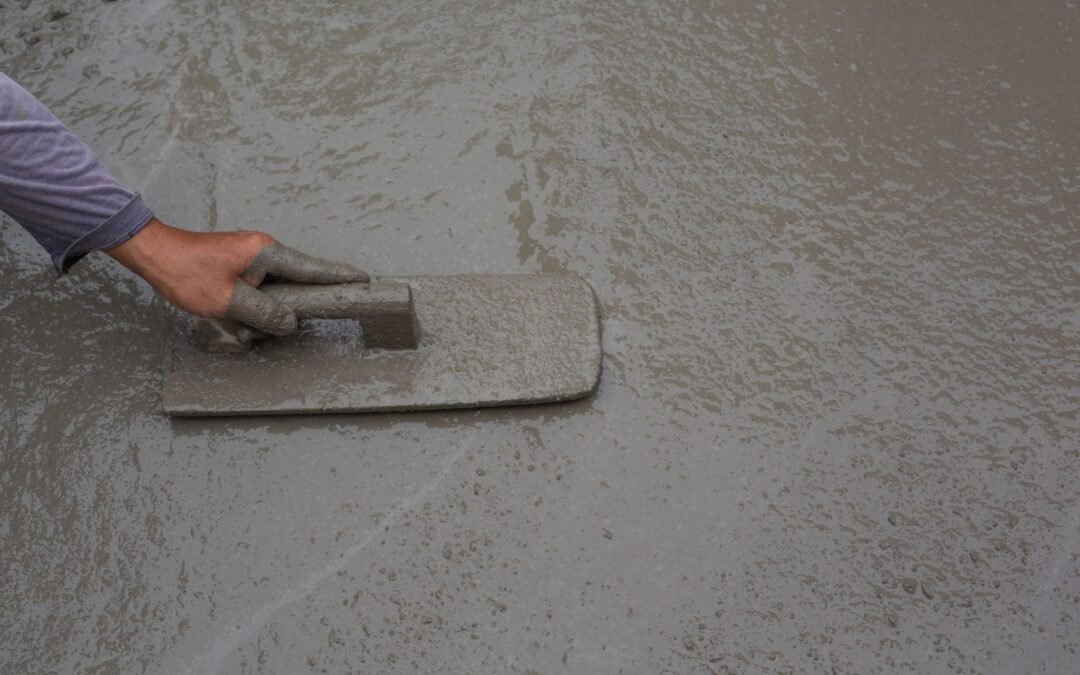
Liquid screed remains a widely used flooring solution in modern construction due to its ability to deliver smooth, level surfaces efficiently. As the construction industry moves beyond 2026, innovation in liquid screed focuses on refinement rather than reinvention.
Instead of dramatic changes, progress is seen in how materials are produced, applied, and managed on site. These improvements support better consistency, controlled installation, and compatibility with modern building systems.
For residential and commercial projects alike, understanding how liquid floor screed performs and evolves is essential for achieving durable, precise, and efficient flooring solutions. Companies like SW Liquid Screed & Spray Rendering Ltd are leading the way in applying these innovations responsibly, ensuring every project benefits from skilled installation and industry-compliant practices.
Understanding Liquid Screed in Modern Construction
Liquid screed is a free-flowing flooring material designed to create smooth, level subfloors efficiently. Unlike traditional screed, it is pumped into place and self-levels around pipes and services, making it ideal for both residential and commercial projects.
What Is Liquid Screed?
Liquid screed is a free-flowing flooring material designed to be pumped into place. Its properties allow it to self-level across the subfloor.
Key characteristics include:
- Pump-applied rather than hand-laid
- Free-flowing consistency
- Smooth surface regularity
- Suitable for large or complex floor areas
- Commonly used with underfloor heating systems
These qualities make liquid screed practical for residential and commercial developments alike.
Liquid Screed vs Traditional Screed
Liquid screed differs from traditional sand and cement screed in several practical ways:
- Requires less manual labour
- Flows easily around pipework and services
- Reduces the risk of voids beneath the surface
- Achieves consistent levels more efficiently
- Supports uniform floor finishes
Because of these differences, liquid floor screed is often chosen where accuracy and speed are required.
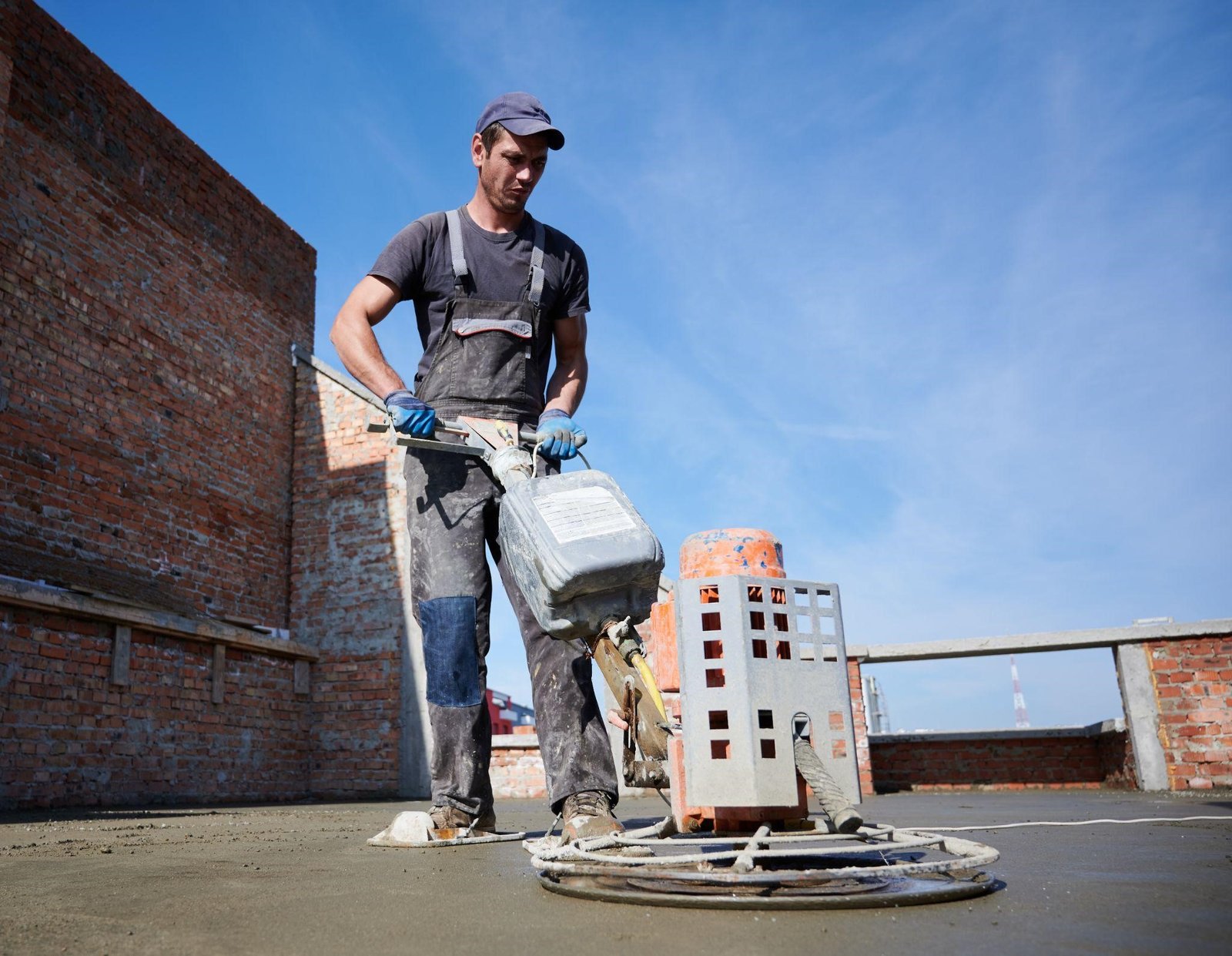
Liquid Screed Services and Current Practices
SW Liquid Screed & Spray Rendering Ltd delivers specialist liquid screed installation services across the South West. Their work focuses on:
- Proper site preparation
- Manufacturer-approved application methods
- Controlled pumping and placement
- Industry-standard testing and checks
A location-specific example of their work can be found through their liquid screed services in Weymouth, which reflect established installation practices rather than experimental methods.
Advancements in liquid screed technology focus on material consistency, precise pumping, and improved compatibility with underfloor heating.
Material Formulation Improvements
Material innovation continues to focus on consistency and reliability rather than radical change.
Current developments include:
- More predictable flow characteristics
- Improved setting behaviour under varied site conditions
- Reduced risk of segregation during placement
- Greater uniformity across large pours
These refinements help installers maintain quality without altering core installation principles.
Application and Pumping Technology
Advancements in pumping equipment support better control on site.
Notable improvements include:
- More precise flow rate control
- Reduced material waste
- Improved placement accuracy
- Enhanced monitoring during application
While equipment evolves, trained operatives remain essential for correct use and decision-making.
Underfloor Heating Integration
Liquid floor screed remains compatible with underfloor heating due to its fluid nature.
Benefits include:
- Full encapsulation of heating pipes
- Even coverage across heating zones
- Consistent thermal contact
- Reduced air gaps around services
Ongoing improvements focus on predictability, not on altering drying or commissioning requirements.
Efficiency, Sustainability, and Site Management
Efficient liquid screed installation reduces material waste, speeds up project timelines, and minimizes site disruption. Sustainable practices, combined with careful planning and management, ensure high-quality results while supporting cleaner, more organized construction sites. Sustainability in liquid screed installation is linked to practical site efficiency.
Key considerations include:
- Reduced material wastage through accurate pumping
- Faster installation compared to traditional screed
- Lower labour intensity on site
- Cleaner application processes
These efficiencies contribute to better site coordination without overstating environmental claims.
Quality Control and Compliance
Quality control and compliance ensure liquid screed installations meet industry standards. Regular flow testing, surface checks, and controlled curing maintain consistent, durable, and reliable flooring results across all projects. Despite technological improvements, quality control remains essential.
Standard practices include:
- Flow testing during installation
- Surface regularity checks
- Controlled curing and drying periods
- Compliance with British Standards and manufacturer guidance
Technology supports consistency but does not replace inspection or experience.
Selecting the Right Liquid Floor Screed
Choosing the right liquid floor screed depends on project requirements, including building use, load capacity, floor finishes, drying times, and site conditions. Proper selection ensures optimal performance, durability, and compatibility with underfloor heating systems. Choosing the correct liquid floor screed depends on several project-specific factors:
- Intended building use
- Load and traffic requirements
- Floor finish compatibility
- Drying time expectations
- Site conditions and programme constraints
Professional assessment ensures the screed selected matches the project requirements rather than trends.
More information about the company’s services can be found at SW Liquid Screed & Spray Rendering Ltd.
Importance of Experienced Installation Teams
Experienced installation teams ensure liquid screed is applied accurately and efficiently. Skilled installers manage site preparation, pumping, and curing, delivering consistent, high-quality floors that meet industry standards and project requirements.
Experienced teams provide:
- Accurate preparation and planning
- Controlled application methods
- Coordination with other trades
- Adherence to specification requirements
Local presence also supports accountability and transparency. Business location details can be viewed via this Google Business profile.
Conclusion
Innovations in liquid screed technology beyond 2026 are expected to enhance efficiency, consistency, and application control. However, the fundamental principles of correct preparation, skilled installation, and realistic expectations remain unchanged.
Liquid screed continues to be a reliable flooring solution when applied responsibly and in line with established standards. If you are planning a project and need further guidance, contact us today to discuss appropriate liquid screed solutions
Frequently Asked Questions
What is liquid screed used for?
Liquid screed is used to create smooth, level subfloors in residential and commercial buildings.
Is liquid floor screed suitable for underfloor heating?
Yes, liquid floor screed is commonly used with underfloor heating systems due to its flow properties.
Does liquid screed require specialist installation?
Yes, liquid screed must be installed using specialist equipment and trained installers.
How is liquid screed applied?
Liquid screed is pumped onto the prepared subfloor and allowed to self-level.
Is liquid screed suitable for large floor areas?
Liquid screed is well suited to large or complex floor layouts due to its consistency.