
Screed flooring contractors play a critical role in modern construction projects, as the quality of screeding directly affects the durability and performance of the final floor finish. Choosing the right contractor is not only about availability or pricing. It is about understanding their experience, methods, and alignment with your project requirements.
Whether you are working on a residential build, renovation, or a commercial development, the screeding stage forms the foundation for all subsequent flooring installations. Therefore, making an informed decision early can help avoid delays, uneven surfaces, and long-term maintenance issues.
This guide explains how to evaluate screed contractors, what services to look for, and how specialist knowledge contributes to consistent outcomes, using real-world practices rather than assumptions or promises.
Understanding the Role of Screed Flooring Contractors
Screed flooring contractors are responsible for applying a smooth, level layer over a structural subfloor. This layer prepares the surface for final finishes such as tiles, vinyl, carpet, or timber flooring.
The screed must meet specific thickness, drying, and performance standards depending on the project. As a result, contractors must understand site conditions, moisture levels, and usage requirements before application begins.
A professional approach focuses on preparation, accurate mixing, controlled installation, and proper curing rather than speed alone.
What Does a Floor Screeding Specialist Do
A floor screeding specialist brings technical knowledge of materials, installation methods, and performance requirements. Their role extends beyond simply laying screed.
Key responsibilities include:
- Assessing the substrate condition
- Selecting appropriate screed types
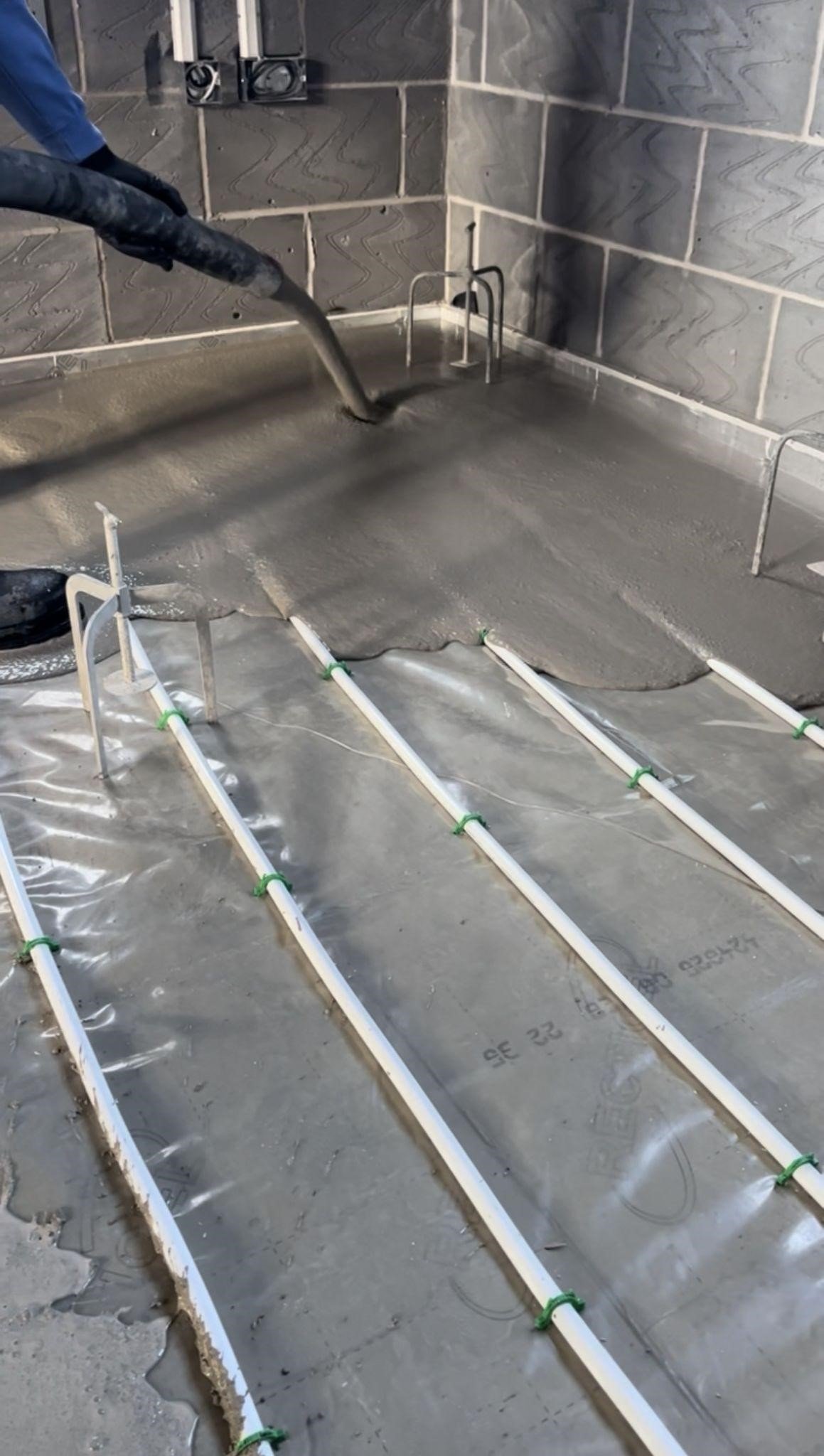
- Ensuring compatibility with underfloor heating systems
- Managing curing times and moisture control
- Achieving surface regularity standards
This level of detail is essential for projects where precision and long-term reliability are required.
Types of Screeding Solutions Used in Modern Construction
Different projects require different screeding approaches. Understanding these options helps clients communicate effectively with contractors.
Traditional Sand and Cement Screed
This method remains common for certain applications. It requires careful mixing and longer drying times. While effective, it is labour-intensive and may not suit time-sensitive builds.
Liquid Screed Systems
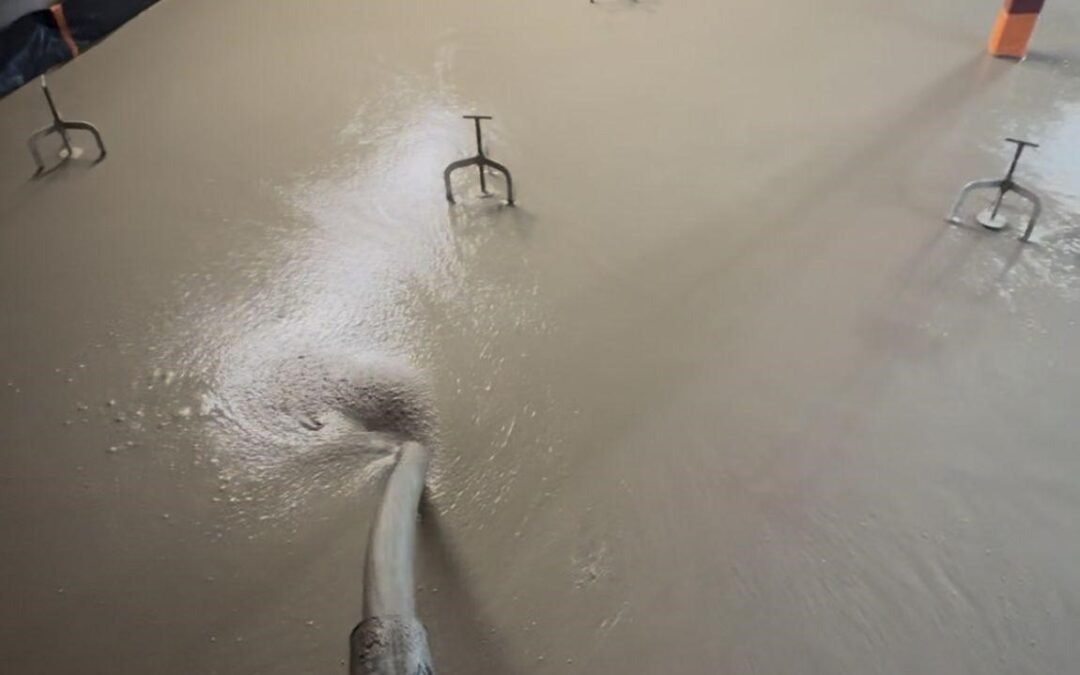
Liquid screed offers improved flow, faster installation, and enhanced compatibility with underfloor heating. It allows for more even coverage and reduced manual finishing.
SW Liquid Screed & Spray Rendering Ltd provides liquid screed solutions that support modern building requirements while maintaining controlled application standards. Learn more about their floor screeding specialist services for liquid screeding in Weymouth here:
Why Experience and Process Matter
Experience influences consistency. Contractors with established processes are better equipped to handle varying site conditions without compromising quality.
Reliable screeding providers follow defined steps:
- Subfloor inspection and preparation
- Installation of insulation and membranes where required
- Accurate screed mixing
- Controlled pouring and levelling
- Monitored curing and drying
This structured approach reduces rework and supports smoother project timelines.
Standards, Materials, and Site Preparation
Professional screeding must comply with relevant British Standards, including surface regularity guidelines. Proper site preparation is equally important.
Factors considered include:
- Moisture levels
- Temperature control
- Structural movement allowances
- Load requirements
For further reference on construction flooring standards, guidance from UK building regulations is available via GOV.UK construction resources.
Residential vs Commercial Screeding Requirements
Residential Projects
Residential screeding often focuses on comfort, finish quality, and compatibility with underfloor heating. Precision ensures flooring longevity and reduces future repairs.
Commercial Projects
Commercial environments demand durability and performance under higher foot traffic. Screed selection must reflect usage intensity and finish requirements.
Understanding these differences helps contractors tailor solutions rather than applying a one-size-fits-all approach.
What to Ask Before Hiring a Screed Contractor
Before appointing screed flooring contractors, it is important to clarify expectations.
Consider asking:
- What screed systems do you install
- How do you prepare the subfloor
- What curing times should be expected
- How do you ensure surface regularity
- Do you coordinate with other trades onsite
Clear communication at this stage prevents misunderstandings later in the project.
How Local Knowledge Adds Value
Local contractors often understand regional construction practices, environmental conditions, and logistical challenges. This awareness supports efficient scheduling and appropriate material selection.
SW Liquid Screed & Spray Rendering Ltd operates with local insight while following industry-recognised processes. Their full service overview can be found here:
Liquid Screeding in Weymouth and Surrounding Areas
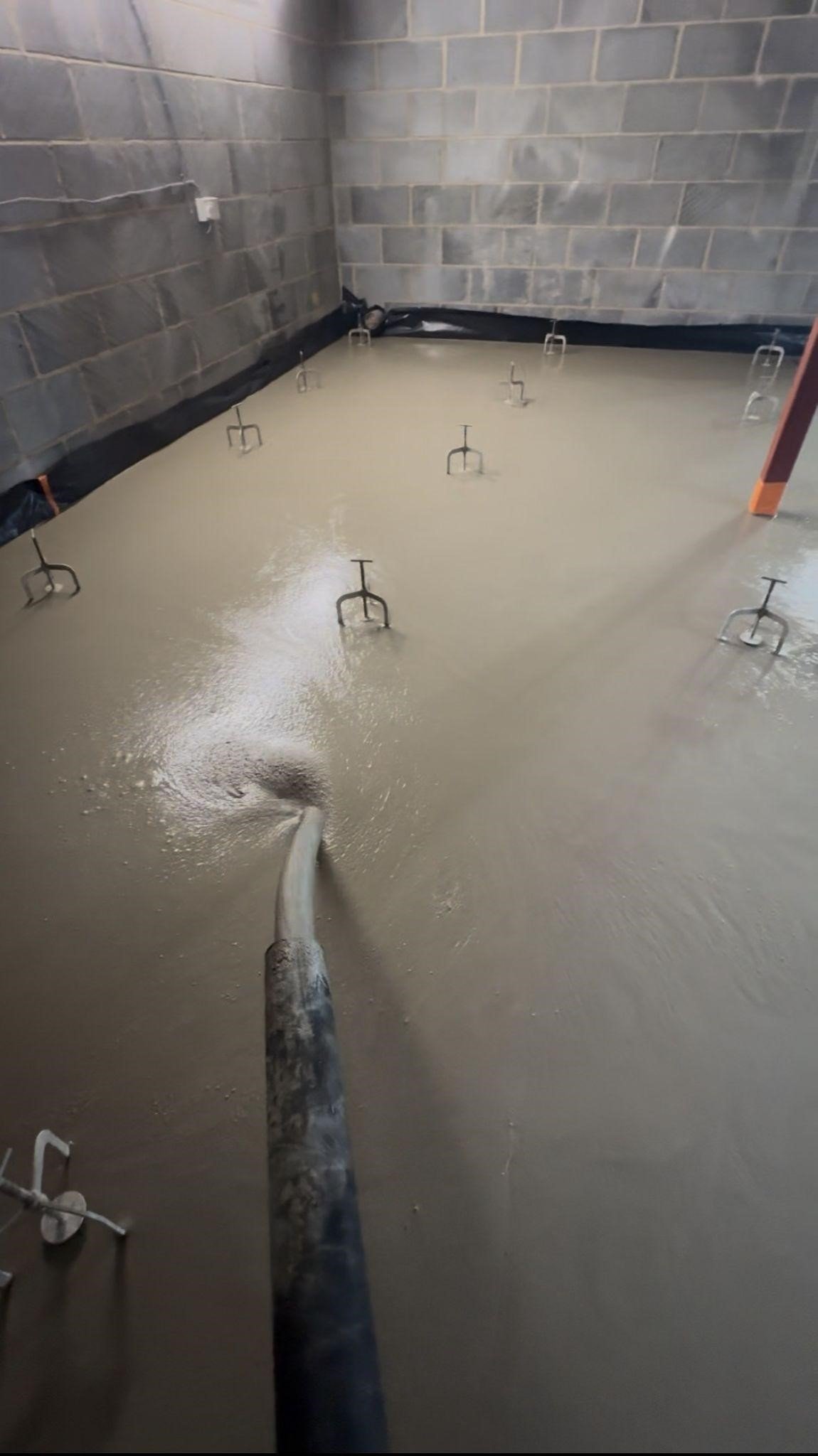
Liquid screeding is increasingly used across Dorset due to its efficiency and compatibility with modern building designs. Projects in Weymouth benefit from experienced application and controlled installation methods.
Using a dedicated floor screeding specialist helps ensure that the screed layer supports both structural performance and final flooring requirements without unnecessary complications.
Comparing Screed Contractors: Key Factors
| Evaluation Factor | Why It Matters |
| Experience | Supports consistent results |
| Screed Types Offered | Ensures suitability for your project |
| Preparation Process | Prevents future flooring issues |
| Local Knowledge | Improves coordination and planning |
| Standards Compliance | Ensures long-term performance |
Finding Reliable Screed Flooring Contractors
Choosing reliable screed flooring contractors involves reviewing their process, understanding their materials, and confirming how they manage each stage of installation.
For local presence and verified business details, you can view the Google Business profile of SW Liquid Screed & Spray Rendering Ltd here:
Conclusion
Selecting the right screed contractor is an essential step in any construction or renovation project. A professional screeding service focuses on preparation, material suitability, and controlled application rather than shortcuts.
By working with experienced screed flooring contractors who understand both technical requirements and local conditions, you can support a smoother build process and reliable flooring performance.
If you would like to discuss your project requirements further, contact us today via the official website contact section. Engaging a qualified floor screeding specialist also supports better coordination with other trades on site. Clear planning and communication allow screeding to be completed at the right stage of the build, helping maintain overall project efficiency. Local knowledge further contributes to effective scheduling and material selection, especially when site conditions vary.
SW Liquid Screed & Spray Rendering Ltd focuses on delivering controlled screeding solutions that align with modern construction requirements. By prioritising preparation, appropriate materials, and consistent installation processes, they support both residential and commercial flooring projects without relying on unrealistic claims or assumptions.
FAQs
What is the purpose of floor screeding
Floor screeding creates a smooth and level surface for the final floor finish while supporting durability and performance.
How long does screed take to dry
Drying times vary depending on the screed type, thickness, and site conditions.
Is liquid screed suitable for underfloor heating
Liquid screed is commonly used with underfloor heating systems due to its flow and coverage properties.
Do all projects require the same screed type
No. Screed selection depends on usage, environment, and finish requirements.
Why is surface preparation important
Proper preparation ensures screed adhesion and prevents future flooring problems.