
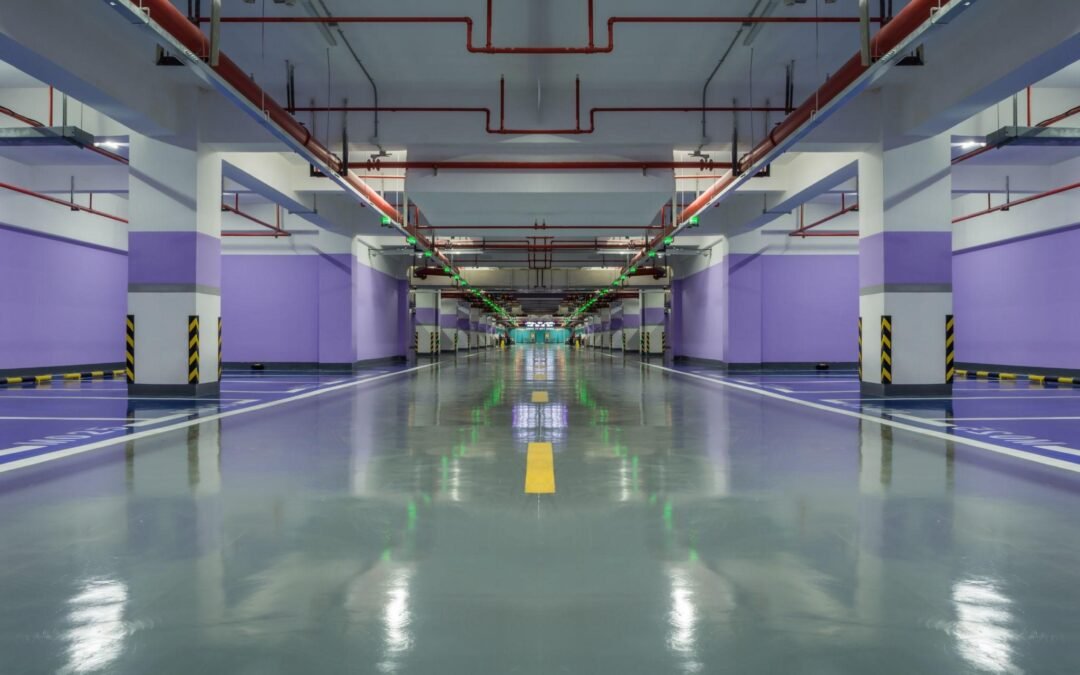
Choosing the right team for liquid screeding in Weymouth is essential when planning a durable, level, and long-lasting floor. Many projects depend on accurate preparation and precise application, and this is where working with a dedicated specialist makes a noticeable difference. Whether you are upgrading your home or working on a larger commercial build, liquid screed provides a smooth, reliable base that supports a wide range of flooring finishes.
People across Weymouth and Dorset are increasingly choosing liquid screed because it helps meet modern building standards while offering excellent thermal conductivity and a high-quality finish. It also helps create floors that complement underfloor heating systems, which are now common in both new builds and renovations.
During any construction or improvement project, the quality of the base layer influences the performance of the entire floor. A specialist understands this and focuses on accuracy, efficiency, and proper preparation from start to finish. To explore the benefits and understand why local expertise matters, the following guide covers everything you need to know.
What Does Liquid Screeding Involve?
Liquid screeding is the process of pouring a self-leveling compound across a prepared surface to create a smooth and even finish. The material flows naturally across the area, filling any small gaps and settling evenly. It is known for its accuracy and its ability to achieve a far flatter finish than many traditional alternatives.
The process usually involves:
- Assessing the sub-base
- Preparing the surface
- Installing insulation or underfloor heating where required
- Applying edge strips
- Pouring the liquid screed
- Allowing controlled drying and curing
Liquid screed is valued for its speed and consistency. It ensures a clean, level finish that supports a wide range of flooring materials such as tiles, laminate, vinyl, and engineered wood.
Why Choose a Specialist for Liquid Screeding in Weymouth?
Local projects require attention to factors such as climate, ground conditions, insulation choices, and the type of property involved. That is why choosing someone familiar with the requirements of Weymouth and Dorset is so valuable.
A specialist provides careful assessment, detailed preparation, and accurate application. This ensures that the final result meets both the technical requirements and the expectations of the homeowner or builder.
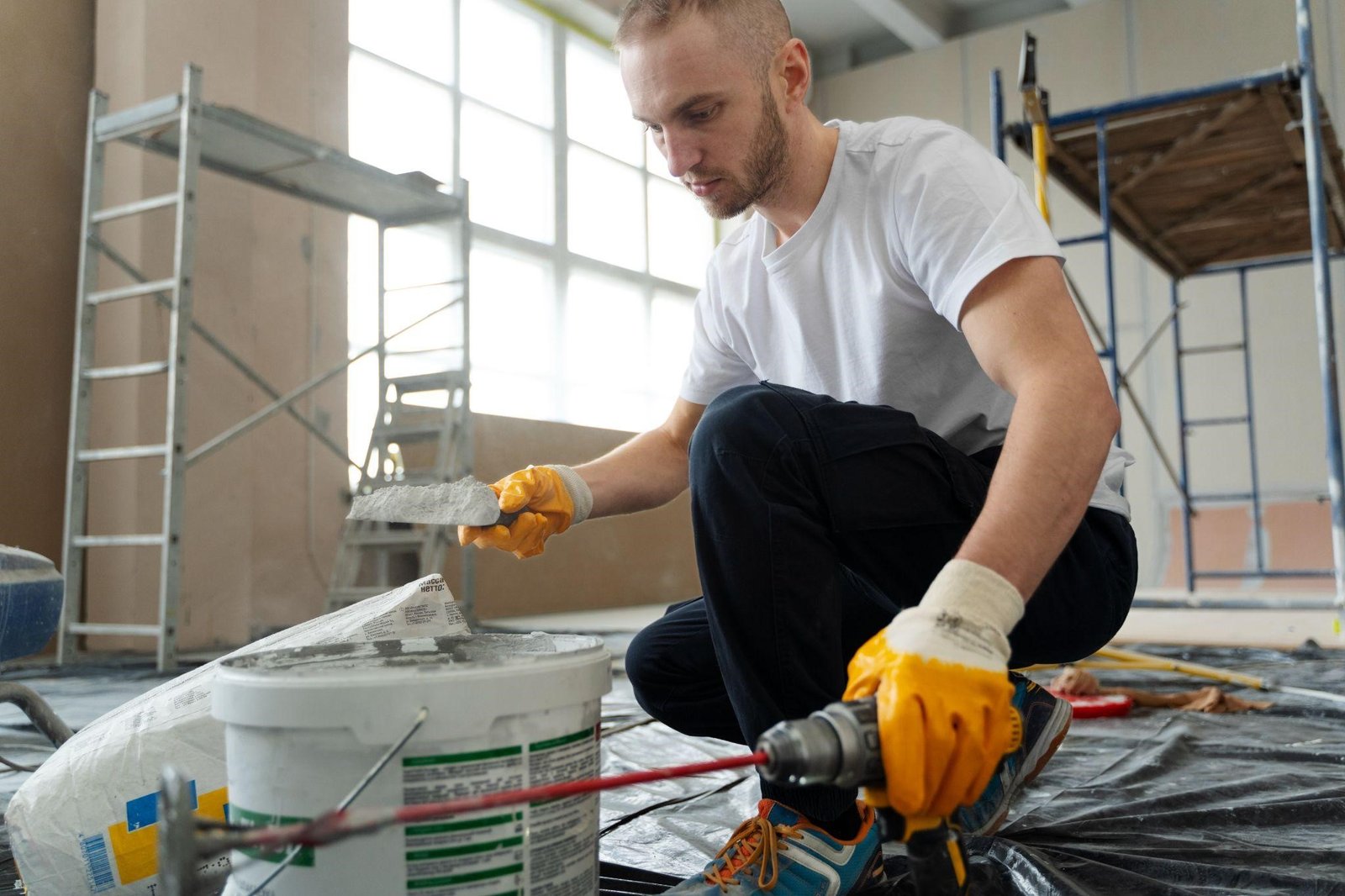
Local Knowledge Matters
Working with a Dorset-based team provides several benefits:
- Understanding of typical building layouts in the region
- Awareness of insulation preferences in coastal areas
- Familiarity with local construction timelines
- Ability to coordinate with typical Dorset building materials
Liquid screed reacts to its environment, so accurate handling and correct conditions help ensure the floor cures properly.
Tailored Service for Different Property Types
Weymouth features a mix of homes, from seaside properties to modern developments. Each requires a slightly different approach. A specialist adjusts the method to suit:
- Older properties with uneven sub-bases
- New builds needing high thermal efficiency
- Renovations requiring precise depth management
- Commercial units with heavy daily footfall
This flexibility helps ensure the final surface is structurally ready for the intended use.
How Liquid Screed Supports Modern Building Requirements
Current building standards prioritise thermal performance, energy efficiency, and accurate floor levels. Liquid floor screed supports these goals without difficulty.
For example, it pairs exceptionally well with underfloor heating. The screed surrounds the heating pipes fully, ensuring consistent heat transfer. This gives a smoother temperature and reduces energy waste.
Liquid screed also minimises air pockets, improves load distribution, and creates a clean, flat surface that helps reduce fitting time when the final flooring is installed. Builders often choose it for its reliability and compatibility with other modern materials.
Comparing Liquid Screed with Traditional Sand and Cement
Understanding the differences can help builders and homeowners make informed decisions.
Comparison Table
| Feature | Liquid Floor Screed | Sand & Cement Screed |
| Levelness | Very high | Moderate |
| Drying Time | Faster | Slower |
| Compatibility with Underfloor Heating | Excellent | Moderate |
| Application | Pumped and self-levelling | Manually applied |
| Thermal Conductivity | High | Lower |
| Accuracy | Precise | Depends on manual skill |
Liquid screed provides smoother results with minimal effort, while traditional sand and cement can vary depending on technique and labour conditions.
The Importance of Proper Preparation
Preparation is one of the most important steps in achieving a reliable floor surface. A specialist ensures that every layer beneath the screed is secure and correctly installed.
Proper preparation involves:
- Cleaning the sub-base
- Checking levels
- Installing insulation where required
- Ensuring underfloor heating pipes are fixed securely
- Applying edge strips to allow for expansion
Without careful preparation, even a high-quality screed may not perform as expected. This is why many homeowners choose a specialist who can manage the entire process with precision.
Key Benefits of Using Liquid Floor Screed
Liquid screed offers several advantages that suit a wide variety of projects.
Main Benefits
- Smooth and level finish
- Faster installation times
- Reduced risk of cracking
- High thermal conductivity
- Ideal for underfloor heating
- Minimal settlement
- Consistent coverage
- Accurate depth control
- Reduced labour requirements
- Suitable for large and small spaces
These benefits make it appealing for both renovations and new builds across Weymouth and Dorset.
Applications in Residential and Commercial Settings
Liquid screed is not limited to one type of project. Its versatility allows it to be used effectively in various settings.
Residential
- Apartments
- Coastal homes
- Extensions
- Loft conversions
- New developments
Homeowners often appreciate the quick installation and the way it complements underfloor heating.
Commercial
- Offices
- Retail units
- Cafes and hospitality spaces
- Industrial units
- Public buildings
The ability to deliver accurate, predictable results helps ensure that projects stay on schedule.
Sustainability and Efficiency
Many builders in Weymouth are increasingly focusing on sustainable practices. Liquid screed supports this by offering:
- Efficient use of materials
- Reduced waste
- Lower energy consumption when paired with underfloor heating
- Cleaner installation with minimal dust
These qualities make liquid screed a reliable choice for energy-conscious projects.
Why Regional Expertise Matters in Weymouth and Dorset
Flooring needs vary depending on the surrounding environment. In coastal areas like Weymouth, moisture management, insulation, and thermal performance play important roles. A specialist familiar with these considerations can ensure the screed is applied correctly and performs well year-round.
Local conditions can influence:
- Drying times
- Moisture levels
- Material behaviour
- Sub-base preparation
This makes regional knowledge an asset.
Working with a Local Team
A local team understands the expectations of homeowners and builders in the area. They are familiar with the types of projects commonly carried out across Weymouth and Dorset, and this helps them deliver a consistent and dependable service. For more information about the services available, you can visit SW Liquid Screed & Spray Rendering Ltd. To understand more about the specific options available locally, you can explore liquid screeding in Weymouth.
Conclusion
Choosing a liquid screed specialist ensures that every stage of the process is handled with care. From preparation to finishing, accuracy is essential for achieving a reliable, long-lasting floor. Whether you are working on a residential renovation or a commercial development, liquid screed supports modern building standards with efficiency and precision. For further guidance or to discuss your project,Visit us today.
FAQs
What is liquid floor screed?
Liquid floor screed is a self-levelling compound that creates a smooth and even surface for flooring installation. It flows naturally, giving precise results.
How long does liquid screed take to dry?
Drying times vary depending on conditions and the thickness applied. A specialist can provide guidance based on your specific project.
Is liquid screed suitable for underfloor heating?
Yes, liquid screed is highly suitable because it surrounds the heating pipes fully, helping improve heat distribution.
Can liquid screed be used in older properties?
It can be used in older homes, provided the sub-base is properly prepared and stable.
What makes liquid screed different from traditional screed?
Liquid screed is self-levelling, faster to install, and offers higher accuracy than sand and cement alternatives.