
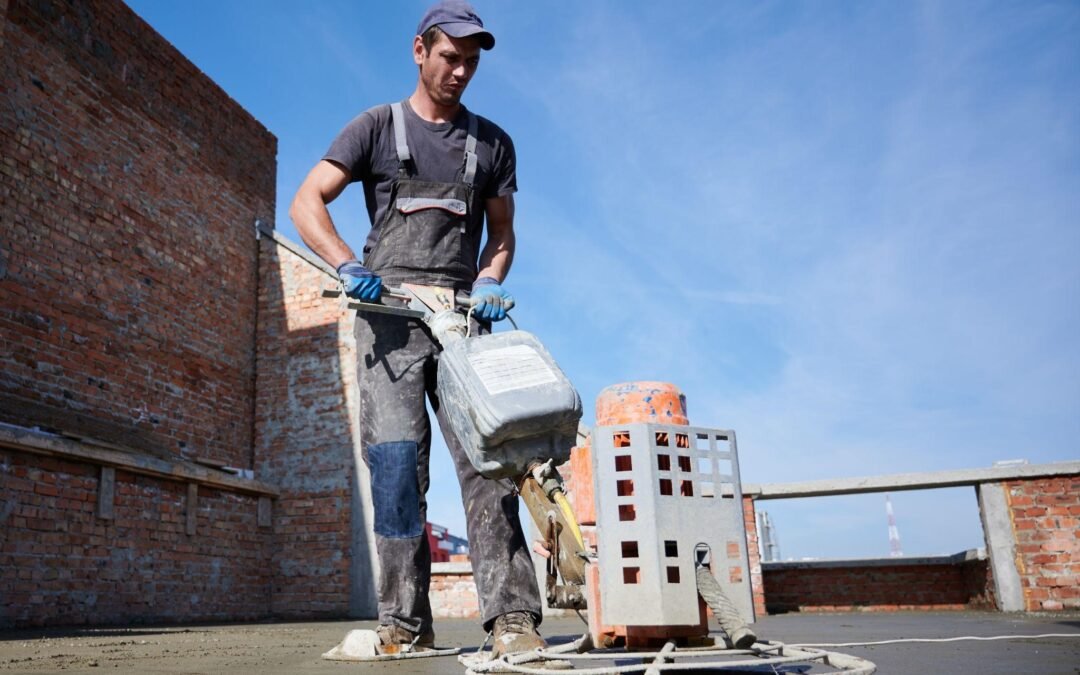
Liquid floor screed is a self-levelling material that creates a smooth, durable surface, ideal for underfloor heating and a variety of floor finishes. Unlike traditional sand and cement screeds, liquid screed flows easily, allowing it to level itself over the subfloor, filling gaps and imperfections.
However, this also means the subfloor must meet certain requirements to achieve optimal results. A poorly prepared subfloor can lead to surface defects, cracking, or reduced lifespan of your flooring.
This guide provides detailed tips and techniques for preparing your subfloor, helping you avoid common mistakes and ensure a professional-grade finish. From essential tools and materials to step-by-step preparation, we cover everything you need to know before applying liquid screed, ensuring your floor is strong, level, and long-lasting.
Benefits of Proper Subfloor Preparation
Proper subfloor preparation is key to a successful liquid floor screed installation. A well-prepared subfloor ensures the screed adheres correctly, cures evenly, and provides a smooth, durable finish. It reduces the risk of cracks, uneven surfaces, and long-term damage, giving your floor a longer lifespan.
| Subfloor Type | Preparation Method | Benefit |
| Concrete | Clean, repair cracks, prime | Enhanced adhesion, smooth finish |
| Timber | Level, seal moisture, prime | Prevent warping and movement |
| Existing Screed | Remove debris, patch uneven areas | Improved durability and surface consistency |
| Floorboards | Ensure structural stability | Even liquid screed application |
Proper preparation ensures that the liquid floor screed bonds correctly, dries evenly, and delivers a professional-grade finish.
Step-by-Step Guide to Preparing Your Subfloor
Preparing your subfloor correctly is essential to ensure a smooth and durable liquid floor screed finish. This step-by-step approach helps prevent common issues such as cracks, uneven surfaces, or poor adhesion. Start by thoroughly cleaning the subfloor to remove dust, debris, and grease. Next, inspect the surface for cracks, holes, or uneven areas and repair them using suitable filler or levelling compounds.
Cleaning the Surface
Begin by thoroughly cleaning your subfloor. Remove dust, dirt, grease, and any loose particles that could interfere with adhesion. A clean subfloor ensures the liquid floor screed bonds effectively, reducing the risk of defects.
Repairing Damages
Inspect your subfloor for cracks, holes, or uneven areas. Fill any gaps with an appropriate repair material and level the surface. This step prevents imperfections from telegraphing through the screed layer.
Moisture Testing
Excess moisture can compromise the screed’s performance and lead to long-term issues. Conduct moisture testing using a hygrometer or probe to ensure levels are within safe limits before applying liquid screed.
Priming the Subfloor
Priming the surface enhances adhesion and helps control moisture transfer. Use a primer recommended for liquid floor screed applications and apply evenly across the subfloor according to manufacturer instructions.
Edge and Expansion Joint Preparation
Install edge insulation strips and expansion joints where required. This allows for natural expansion and contraction of the screed, reducing the risk of cracking and improving overall durability.
Common Mistakes to Avoid When Preparing a Subfloor
Even small oversights during subfloor preparation can compromise the quality and longevity of your liquid floor screed. Being aware of common mistakes helps ensure a smooth, durable finish. Professionals can make errors that affect the final screed. Common mistakes include:
- Skipping cleaning or moisture testing
- Ignoring cracks or uneven surfaces
- Using the wrong primer or adhesive
- Poorly installed expansion joints
Following the guidance of a professional floor screeding specialist helps mitigate these risks and ensures a flawless finish.
Tools and Materials Required for Subfloor Preparation
Preparing your subfloor for liquid floor screed requires the right tools and materials to ensure a smooth, durable finish. Using the correct equipment not only makes the process more efficient but also reduces the risk of errors that could affect the final result.
Essential tools and materials include:
- Floor scraper and brush for cleaning
- Crack filler and levelling compounds
- Moisture testing equipment
- Suitable primer for liquid screed
- Edge strips and expansion joint materials
Professional floor screeding specialists often have specialised equipment to guarantee even more precise preparation, ensuring your screed performs as intended.
Why Choose SW Liquid Screed & Spray Rendering
At SW Liquid Screed & Spray Rendering, we combine expertise in liquid floor screed installation with years of experience as floor screeding specialists. We ensure every project follows industry standards and British guidelines, from thorough subfloor preparation to the finished screed surface.
Our team provides clear guidance on each stage of the installation process, helping clients achieve a reliable, long-lasting finish. By focusing on precision, preparation, and ongoing support, we help ensure your flooring meets the highest quality expectations.
- Extensive experience as floor screeding specialists across residential and commercial projects.
- Expertise in applying high-quality liquid floor screed with precise subfloor preparation.
- Commitment to following industry standards and UK guidelines for every installation.
- Use of professional tools and materials to ensure long-lasting, smooth finishes.
- Clear guidance and support at every stage of the screed installation process.
- Focus on accuracy and detail, reducing the risk of cracks, uneven surfaces, or adhesion issues.
- Friendly and knowledgeable team dedicated to delivering consistent, professional results.
- Ability to advise clients on subfloor preparation, screed selection, and finishing options.
Conclusion
Proper subfloor preparation is the foundation of a successful liquid floor screed installation. Working with a knowledgeable floor screeding specialist ensures that your subfloor is clean, level, and ready to receive the screed, reducing the risk of cracking or adhesion issues.
At SW Liquid Screed & Spray Rendering, our experienced team can provide guidance and expert installation support to achieve a smooth and durable finish. If you are ready to prepare your subfloor correctly or want professional advice, contact us today.
Working with experienced floor screeding specialists like SW Liquid Screed & Spray Rendering guarantees that every stage of the process is handled with precision and care. Our team ensures that your subfloor is fully prepared, the correct materials are used, and the screed is applied professionally to achieve optimal results.
FAQs
What is the best way to prepare a subfloor for liquid floor screed?
Ensure it is clean, level, and free from moisture before applying primer and screed.
How long should a subfloor be dry before applying liquid screed?
Moisture levels should be within manufacturer-recommended limits; this varies depending on subfloor type.
Can all types of subfloors be used for liquid floor screed?
Most subfloors are suitable if properly prepared, including concrete, timber, and existing screeds.
Do I need a professional floor screeding specialist?
While some DIY applications are possible, professionals provide experience and precision that reduces risks
How do I prevent cracks in liquid screed flooring?
Correct subfloor preparation, edge insulation, expansion joints, and controlled drying conditions are essential.