
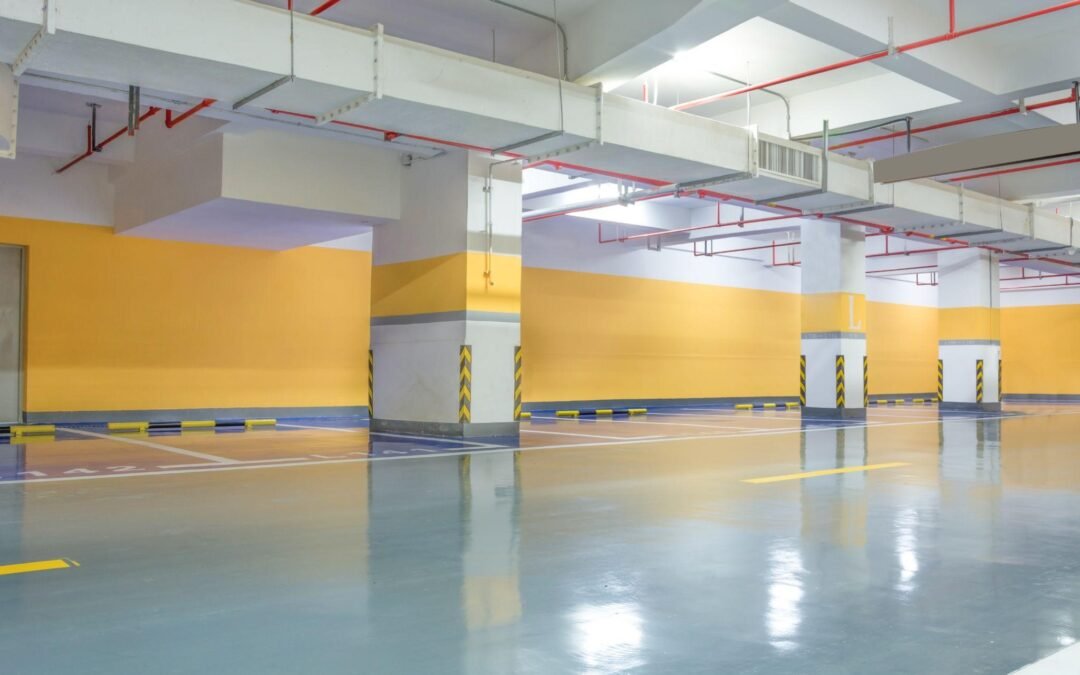
Liquid floor screed offers a smooth, durable, and level surface ideal for both residential and commercial projects. At SW Liquid Screed & Spray Rendering, our experienced team of screed flooring contractors ensures every project meets the highest standards. However, achieving long-lasting results also depends on how you maintain and preserve your floor once installation is complete.
In this guide, we’ll share professional advice and practical steps to help you maintain and preserve your liquid floor screed effectively. From understanding drying times and moisture control to regular cleaning and long-term preservation, you’ll learn how to protect your investment and sustain the same flawless results that make liquid screed a preferred choice for builders and homeowners alike.
Whether you’re overseeing a new construction project or managing existing floors, these maintenance practices will help you maximise the strength, appearance, and lifespan of your screed. Let’s explore the best techniques to keep your liquid screed performing at its best.
Understanding Liquid Screed Flooring
Liquid screed, also known as flowing screed, is a self-levelling compound used to create a perfectly smooth subfloor. It’s particularly effective when used with underfloor heating systems because of its excellent thermal conductivity. The smooth finish and reduced drying times make it a preferred choice for modern construction projects.
Key Benefits of Liquid Screed Flooring
| Feature | Benefit |
| Self-levelling | Creates a perfectly even surface |
| Quick drying | Reduces project timelines |
| Excellent thermal transfer | Ideal for underfloor heating |
| High strength | Long-lasting and durable finish |
| Low shrinkage | Minimises cracking and movement |
Step-by-Step Care Guide for Liquid Floor Screed
Caring for your liquid floor screed correctly from the very beginning is essential for achieving a long-lasting, high-quality finish. Even with expert installation, ongoing maintenance plays a key role in preserving its strength and smooth appearance.
1. Allow Proper Drying and Curing
After installation, your liquid floor screed needs sufficient time to dry and cure. Premature foot traffic or sealing can disrupt this process, leading to cracks or surface imperfections. Typically, liquid screed dries at approximately 1mm per day, depending on temperature and humidity.
Tip: Ensure the area remains well-ventilated, but avoid forced drying methods such as heaters that can cause uneven curing.
2. Control Moisture Levels
Once your screed is dry to the touch, residual moisture may still exist within the subfloor. Before applying floor finishes like tiles or vinyl, test the moisture content to ensure it’s within acceptable limits. This step helps prevent adhesive failure or mould growth beneath the flooring.
3. Regular Cleaning and Dust Control
Keep the surface free from dust and debris during and after installation. For ongoing maintenance, use soft-bristled brushes or vacuum cleaners suitable for smooth flooring. Avoid excessive water, harsh chemicals, or abrasive pads that could damage the surface.
4. Protect During Construction
During ongoing site work, protect the liquid floor screed surface with appropriate coverings such as breathable membranes or protective boards. This prevents staining, chipping, and damage caused by heavy traffic or dropped tools.
5. Periodic Inspection
Regularly check your screed flooring for signs of wear, cracking, or moisture ingress. Early detection allows for timely repairs and helps maintain the screed’s integrity and appearance.
Common Mistakes to Avoid
Even a high-quality screed can fail if mishandled during installation or maintenance. Professional screed flooring contractors often see these issues, which are largely preventable with careful attention. Below are common pitfalls to avoid:
1. Walking on Screed Before It Cures
One of the most frequent errors is applying pressure or walking on the screed too soon. Premature foot traffic can cause indentations, uneven surfaces, or cracking. Always allow the screed to dry and cure according to manufacturer recommendations and expert guidance.
2. Ignoring Moisture Levels
Moisture content is crucial for both installation and ongoing maintenance. Excess moisture can weaken the screed and affect floor coverings applied on top. Regular moisture checks and controlled environmental conditions are essential to avoid long-term issues.
3. Using Incompatible Sealants or Adhesives
Applying products that are not compatible with liquid screed can lead to surface damage or reduce adhesion for floor finishes. Always use sealants, coatings, and adhesives recommended for use with liquid floor screed to preserve its integrity.
4. Rapid Heating or Cooling
Sudden changes in temperature can cause expansion or contraction, leading to cracks or surface irregularities. Gradual adjustment of underfloor heating systems and avoiding extreme temperature shifts helps maintain a stable surface.
Partnering with professional screed flooring contractors ensures correct preparation, installation, and guidance on care procedures.
Long-Term Preservation Tips
Once your liquid floor screed has fully cured and the flooring finishes are in place, long-term preservation becomes the key to maintaining performance and appearance. Although this type of screed is known for its durability and strength, simple, consistent care can make a significant difference to how well it performs over time.
Temperature Control
Extreme temperature changes can cause expansion and contraction within the screed. Maintain consistent indoor temperatures, particularly during the early drying stage, to prevent stress fractures.
Surface Sealing
Applying a suitable sealant can help protect against wear and moisture. Always choose products compatible with your liquid floor screed to avoid compromising its performance.
Maintenance Schedule
Create a maintenance schedule to ensure regular inspections and cleaning are carried out. This helps identify issues before they escalate, preserving the screed’s lifespan.
Why Choose SW Liquid Screed & Spray Rendering
SW Liquid Screed & Spray Rendering delivers reliable, high-quality flooring solutions across Dorset and the surrounding areas. Our team combines expertise with precision to achieve the best results for every project. We take pride in offering clear communication and reliable workmanship. Every installation follows recognised industry practices and British Standards, giving clients confidence that their flooring will stand the test of time. Our team also provides guidance on maintenance and preservation, helping you get the most from your screed long after the installation is complete.
We focus on delivering:
- Accurate installation using modern methods
- Expert advice tailored to your property
- Efficient service without compromising quality
Whether you’re a homeowner or contractor, we provide a seamless experience from preparation to completion.
Conclusion
Maintaining your liquid floor screed correctly is the most effective way to protect both the surface quality and structural performance of your flooring. A well-installed screed provides a smooth, durable base that supports all subsequent floor coverings, but even the best materials require consistent aftercare to achieve their full potential.
By allowing the screed to dry and cure properly, managing moisture levels carefully, and performing regular inspections, you can prevent small issues from becoming costly repairs. Cleaning with the right products and protecting the surface during additional construction work will also help maintain its professional finish.
At SW Liquid Screed & Spray Rendering, we believe that the best results come from both expert installation and informed maintenance. Our experienced screed flooring contractors provide clear guidance from the preparation stage through to long-term aftercare, ensuring each project delivers reliable performance and lasting durability.
If you’re planning a project or would like professional advice on maintaining your liquid floor screed, contact us today to speak with our friendly, knowledgeable team.
FAQs
1. How long does liquid floor screed take to dry?
Drying time varies depending on depth and environmental conditions but typically averages around 1mm per day under normal ventilation.
2. Can I use underfloor heating with liquid screed?
Yes, liquid screed is ideal for underfloor heating due to its excellent thermal conductivity and even heat distribution.
3. When can I walk on newly installed liquid screed?
Light foot traffic is generally permitted after 24–48 hours, depending on drying conditions. Always follow your installer’s recommendations.
4. How do I prevent cracks in liquid screed?
Ensure proper curing, maintain consistent room temperatures, and avoid early loading or impact on the surface.
5. Do I need professional screed flooring contractors?
Yes. Working with experienced screed flooring contractors ensures correct installation, compliance with standards, and lasting results.