
Introduction
In modern construction and renovation projects, achieving a perfectly level and durable floor is essential. This is where liquid screed comes into play.
Unlike traditional sand and cement screed, liquid screed is a self-leveling solution that flows easily into place, creating a smooth and even surface with minimal manual effort.
It’s particularly popular in homes and commercial spaces that feature underfloor heating, as it enables heat to distribute evenly across the entire floor area.
Also known as liquid floor screed, this innovative material is designed to save installation time while reducing the risk of cracks and uneven spots commonly found with traditional screeds.
With its fast-drying properties and exceptional finish, liquid screed is ideal for both renovation projects and new builds.
Professionals such as SW Liquid Screed & Spray Rendering specialise in delivering high-quality liquid screed services across Weymouth and the surrounding areas.
Their expertise ensures each floor is installed efficiently, providing a long-lasting, professional finish that meets modern building standards.
What Is Liquid Screed?
Liquid screed is a type of self-levelling floor screed made from cement, water, and special additives. It is formulated to flow naturally across surfaces, filling gaps and creating an even layer without manual trowelling.
This innovative material is increasingly favoured in modern construction and refurbishment work because it reduces labour intensity, ensures greater consistency, and provides a superior surface finish.
Key Features of Liquid Screed
- Smooth and self-levelling, allowing effortless installation
- Ideal for underfloor heating systems, ensuring even heat distribution
- Faster drying time compared with traditional screed options
- Minimises cracking and uneven flooring during the curing process
How Liquid Screed Differs from Traditional Screed
Traditional screed typically consists of a sand and cement mix that must be manually spread and levelled across the floor — a process that is both labour-intensive and prone to human error or surface imperfections.
In contrast, liquid floor screed offers a range of advantages:
- Flows naturally to fill gaps and voids
- Requires minimal manual levelling
- Delivers a perfectly smooth surface ready for final finishes
- Reduces installation time and increases efficiency
By choosing liquid screed, homeowners and contractors can achieve a more durable, reliable, and consistent finish in a fraction of the time required for traditional screed.
Benefits of Liquid Screed
Opting for liquid screed instead of conventional materials provides a number of clear advantages:
1. Faster Installation
The self-levelling nature of liquid screed enables installers to cover large areas quickly, cutting down on labour time and project delays.
2. Smooth, Professional Finish
Its fluid consistency guarantees an even, high-quality surface, ideal for flooring finishes such as tiles, wood, or carpet.
3. Improved Heat Conduction
Liquid screed works exceptionally well with underfloor heating systems, ensuring consistent heat distribution and faster warm-up times.
4. Reduced Risk of Cracking
Lower shrinkage during the curing phase significantly reduces the likelihood of surface cracks or unevenness.
5. Eco-Friendly Properties
Compared with traditional sand-cement mixes, liquid screed often requires less water and raw material, contributing to more sustainable building practices.
Types of Liquid Floor Screed
Liquid floor screeds come in several formulations, each designed to meet specific project requirements. The most common types include anhydrite (calcium sulphate) screed, cement-based screed, and polymer-modified screed.
These variations differ in composition, drying times, and performance characteristics — offering flexibility for both residential and commercial applications.
1. Standard Liquid Screed
- Cost-effective and reliable
- Suitable for most domestic and commercial flooring projects
2. Fast-Drying Liquid Screed
- Cures more quickly than standard screed
- Ideal for time-sensitive projects or phased construction schedules
3. Anhydrite Liquid Screed
- Provides a smooth, moisture-resistant finish
- Perfect for underfloor heating systems and high-traffic areas
Comparison Table: Types of Liquid Screed
| Type | Key Feature | Best Use Case |
| Standard | Cost-effective | Residential and commercial projects |
| Fast-Drying | Quick setting | Projects with tight deadlines |
| Anhydrite | Smooth & moisture-resistant | Underfloor heating & heavy-use areas |
Liquid Screed Installation Process
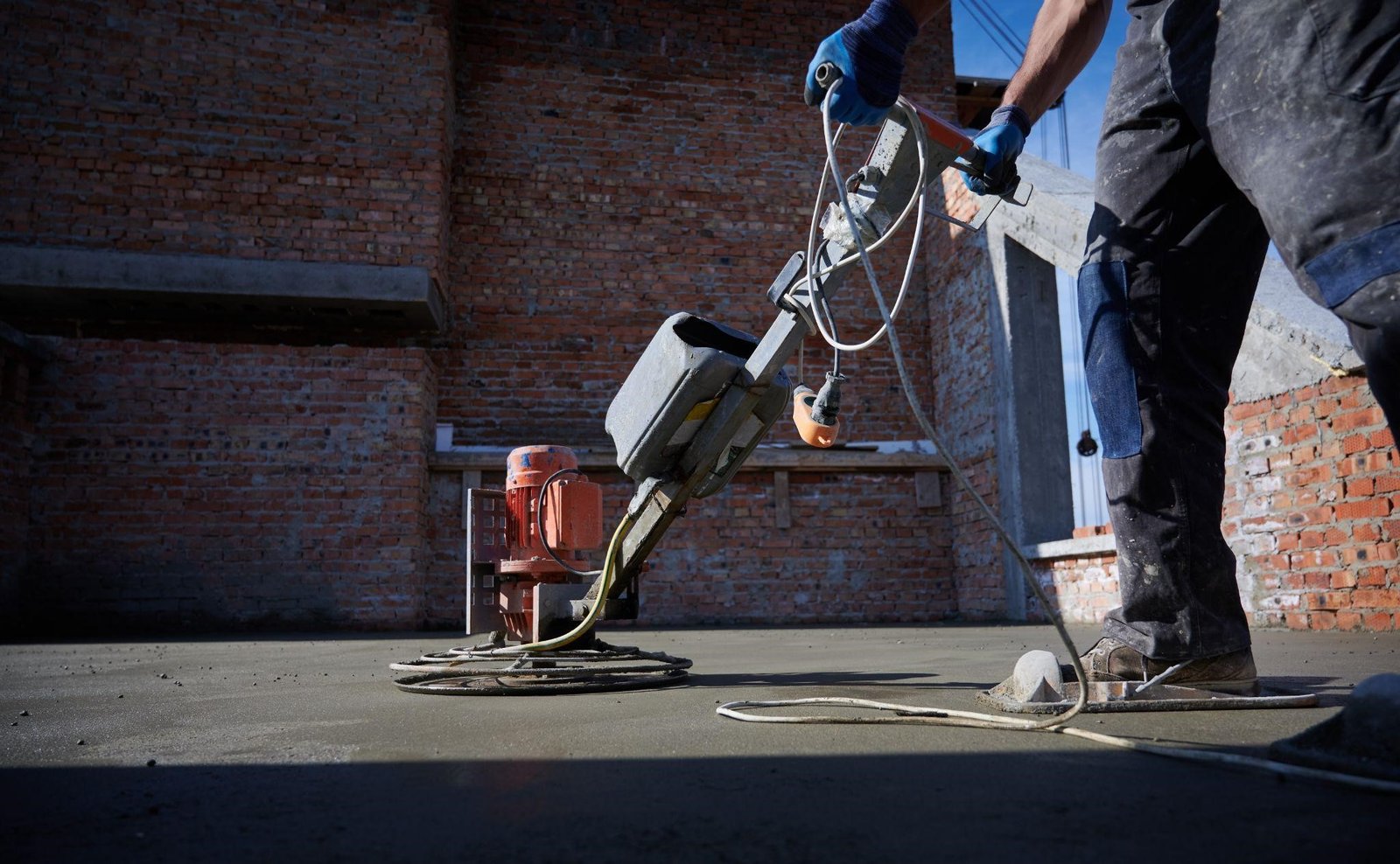
The liquid screed installation process involves several key stages to ensure a smooth and durable finish.
First, the subfloor is cleaned and prepared, with all joints properly sealed to prevent leakage. A damp-proof membrane (DPM) and edge insulation are then installed to protect against moisture and thermal loss.
Installing liquid screed is both simpler and quicker than traditional methods. The typical process includes:
1. Subfloor Preparation
All debris is removed and the surface is checked to ensure it is level and stable.
2. Damp Proofing
A moisture barrier is applied where necessary to prevent damp penetration and improve the floor’s longevity.
3. Pouring the Liquid Screed
The screed is pumped or poured evenly across the prepared area, allowing it to flow naturally into all corners and gaps.
4. Self-Levelling
Thanks to its fluid consistency, the screed spreads and levels itself, requiring minimal manual intervention.
5. Curing
Once applied, the screed is left to dry and harden. Depending on the type of screed used, it may be ready for light foot traffic within 24–48 hours.
The experts at SW Liquid Screed & Spray Rendering ensure that each stage of installation is carried out with precision and care, guaranteeing a smooth, long-lasting finish that meets the highest standards.
Comparison Table: Liquid Screed vs Traditional Screed
| Feature | Liquid Screed | Traditional Screed |
| Workability | Self-levelling, easy to pour | Requires manual levelling |
| Drying Time | Fast (24–48 hours) | Slow (7–28 days) |
| Surface Finish | Smooth and uniform | May require additional finishing |
| Underfloor Heating | Excellent compatibility | Less efficient heat transfer |
| Labour | Less intensive | More labour-intensive |
| Shrinkage | Low | Higher risk of cracking |
Maintaining Liquid Screed Floors
Proper maintenance of liquid screed floors is essential to ensure their longevity and continued performance.
Once the screed has fully cured, it’s important to keep the area clean and free from debris. During the early curing stage, avoid placing heavy loads on the surface.
Here are a few simple maintenance tips:
- Sweep regularly to remove dust and debris
- Avoid prolonged exposure to water or moisture
- Follow the manufacturer’s guidelines for underfloor heating use
- Inspect for any fine cracks and repair them promptly
With proper care, liquid floor screed provides a long-lasting, perfectly smooth surface that complements any modern interior space.
Choosing SW Liquid Screed & Spray Rendering
For homeowners and builders looking for professional liquid screed solutions, SW Liquid Screed & Spray Rendering offers:
- Expert installation by experienced professionals
- Personalised consultation for the best results
- Guidance on compatible flooring finishes
- Reliable service for both residential and commercial projects
To get started, contact us today for tailored advice and expert service in Weymouth and the surrounding areas.
Conclusion
Liquid screed provides a modern, efficient, and dependable solution for creating smooth, durable floors. Compared with traditional sand and cement screeds, it offers:
- Faster installation
- A flawless, level finish
- Superior compatibility with underfloor heating systems
Whether you’re renovating a home, installing a new floor, or upgrading a commercial space, liquid screed ensures a long-lasting, professional-quality surface.
Choosing a trusted provider like SW Liquid Screed & Spray Rendering guarantees expert installation, professional guidance, and exceptional results tailored to your project.
For personalised support or to discuss your flooring requirements, get in touch today and take the first step towards a beautifully level, modern floor.
Frequently Asked Questions
What is liquid screed made of?
It’s primarily composed of cement, water, and specialist additives that make it flowable and self-levelling.
Can liquid screed be used with underfloor heating?
Yes, it conducts heat effectively and provides even temperature distribution across the floor.
How long does liquid floor screed take to dry?
Drying time depends on the screed type, but standard liquid screed can typically dry within 24–48 hours.
Is liquid screed suitable for both residential and commercial projects?
Absolutely. It performs exceptionally well in homes, offices, and commercial properties.
How does liquid screed differ from traditional screed?
Liquid screed is self-levelling, quicker to install, and less prone to cracking than traditional sand and cement screed.